Having high standards and a strong plan of action is great, but even the best strategies will fall flat if they aren’t carried out properly.
As Larry Bossidy, former AlliedSignal CEO wrote in the bestselling book, Execution: The Discipline of Getting Things Done, “Strategies most often fail because they aren’t well executed.”
This lesson rings very true in retail. Many organizations have a strong vision in place, but because of poor execution in retail stores, those ideas often aren’t brought to life.
One of the best ways to prevent this is for district managers to conduct better store inspections. Equip yourself with the necessary knowledge and hone your skills to carry out effective inspections. It’s also helpful to be aware of the common mistakes that managers make when auditing stores.
In this post, we’ll discuss the top 6 errors district managers make when auditing retail stores, and how to fix it.
Let’s get started.
Implementing cookie-cutter inspections at every visit
When you’re overseeing multiple stores, you may lose sight of the important nuances between various locations and take a generic approach when inspecting them. However, doing this may cause you to overlook certain distinctions during your audit and neglect to evaluate the right things.
This is why you must carefully consider each location’s unique attributes and factor them into your inspection process. For instance, if you’re inspecting a store that’s inside a mall, then your process shouldn’t be the same as the one that you’d use when visiting a standalone store. Build your checklist according with location tags in mind.
It’s also a must to pay attention to the specific issues and challenges that each store is facing. For example, if a particular store is experiencing high rates of theft, then it’s a good idea to conduct an audit that focuses heavily on loss prevention.
This isn’t to say that you need to start from scratch and hyper-customize your inspections for every single store. You can still streamline your processes using standardized templates and checklists. Leading retail audit software allow you to use tags to customize your checklists based on location attributes. By using location specific items and checklists, you can focus on what matters most at each location.
Conducting inspections solely from a regulator’s perspective
Another mistake is when district managers “look at the store from the perspective of a regulatory authority rather than an average customer,” says Johan Liebert, CEO & shopping expert at DazzleDeals.
While it’s certainly important to put on your regulator hat when conducting store audits, doing it too much doing it may create bias in the process, he adds.
One way to prevent this is by being aware of each location’s demographic and inspecting them with the target audience in mind.
“Before visiting a store, district managers should do their research regarding the location and visitor demographic of the location. This method would give them an insight into the metrics through which they could inspect the shop,” explains Liebert.
He also recommends conducting customer surveys and utilizing that data to inform your inspections.
“The best way to remove this bias would be by circulating surveys among the visitors of the shop during different times of the day,” he says. “Once the results are received, you can quantify them and create a scoreboard. The results should be shared with the district manager so that they can make an informed decision.”
Conducting inspections manually
Manual practices involving paper checklists and clipboards, and even Excel have no place in modern retail audits. They’re inefficient; they take more time and increase the likelihood of human error. Not to mention, paper-based processes often require the double-entry of information. When you take inspection notes on paper, or Excel, you end up having to re-enter the same data into your management system.

What’s more, sharing inspection results and action items also takes more time with manual processes. While digital tools enable users to send data instantly, sharing information manually takes additional time, which could delay corrective action.
The good news? It’s easy to digitize the various tasks involved in retail store inspections. Solutions such as Bindy make retail store audits easier with tools like the interactive checklist builder, automated corrective actions, tasks, notifications, and messenger.
Apps like Bindy are available for all mobile devices, so district managers can conduct store audits using a smartphone and tablet. Information is stored in the cloud and is accessible from anywhere.
Not spending enough time coaching and motivating store teams
Too many district managers conduct store audits to maintain order and “catch” errors. While ensuring compliance is certainly a key objective of inspections, managers should also use audits as an opportunity to coach and empower teams.

When conducting store inspections, make sure you’re surfacing learning opportunities, and not just pointing out compliance issues. Set aside time to speak and connect with the store’s staff to identify concerns and remedy them.
Let’s say a campaign’s promotional assets aren’t displayed correctly. Rather than simply chastising team members for the mistake, have a discussion to figure out the root cause of the error. From there, coach them on the proper way to implement campaigns. Be sure to demonstrate compassion and empathy, as these can go a long way in empowering staff members and improving retention.
Not leveraging data and analytics
Data is invaluable when it comes to retail store inspections and operations. Sales figures, stock levels, compliance, employee turnover data, and other measures can help you gauge the health of a store and perform the necessary steps to improve. By capturing and analyzing data, retail brands can identify trends and customer preferences giving them a leg up on their competition.
Unfortunately, many stores don’t have the data they need to promote flawless execution. The Promotion Optimization Institute (POI) published the Retail Execution Report, which featured input from retailers and manufacturers. The study found that just 14% of respondents claimed that they don’t have data issues, which means that more than 8 out of 10 stores experience problems with collecting or leveraging data in their retail execution.
According to POI, the best way to prevent this is to invest in retail analytics solutions. As its report points out:
“If you feel your analytics are not up to par, you may want to consider new tools. This may seem drastic, but if it is the only way to improve your ability to execute at the headquarters and store levels, you will likely recuperate the cost of a new deployment through better trade spend, supply chain planning, and winning at the shelf.”
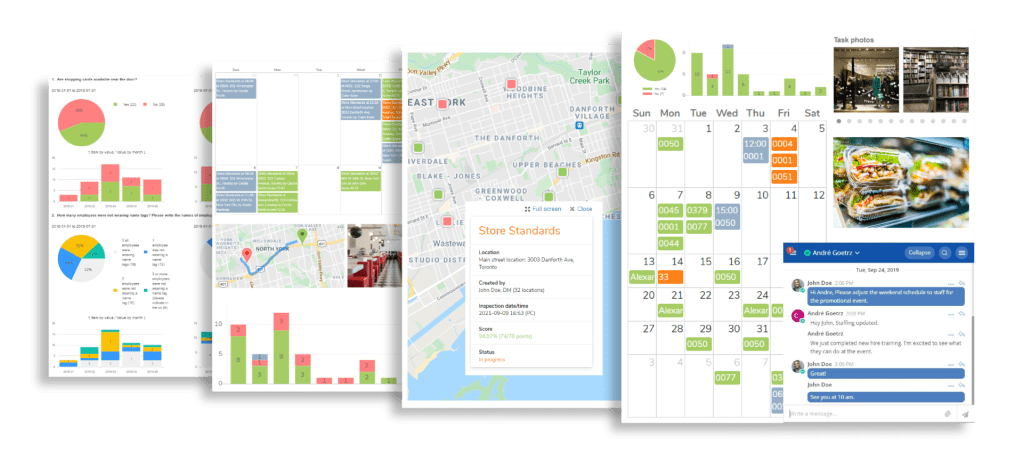
Now, if you already have the necessary data, ensure that you’re putting it to good use. Pay close attention to each store’s KPIs and use them in your store audits. For instance, if a location’s product return rates are unnaturally high, it may indicate a deeper issue requiring more attention. During your next inspection, focus on the identifying the root causes, and creating action plans to decrease the return rates to an acceptable level.
Providing ineffective feedback
The quality of a store’s results and output will only be as good as the feedback that you relay to your team. So, see to it that you’re giving them input that’s clear and actionable.
A common mistake that managers make is pointing out what someone is doing wrong, without providing insights on how they can improve. This can be avoided by offering steps on how teams can do better in the future. In retail, this could mean walking someone through your merchandising process or sending photos of what not to do AND what should teams do instead.

Final words
Store inspections will always be a necessary part of strong retail execution. District managers and franchisees that want to keep their stores running smoothly must schedule and conduct inspections regularly and closely track each location’s performance metrics.
Bindy gives you everything you need to conduct store inspections efficiently. Our solution equips you with checklists, reports, audit, and task management tools to help you oversee all your stores. Start a free trial today.
OTHER RETAIL AUDIT AND INSPECTION RESOURCES
Refer to the Retail Audits and Inspections category for how-tos and best practices for retail audits and inspections.
About the author:

Francesca Nicasio is retail expert, B2B content strategist, and LinkedIn TopVoice. She writes about trends, tips, and best practices that enable retailers to increase sales and serve customers better.

 EN
EN  AR
AR  NL
NL  FR
FR  DE
DE  EL
EL  HE
HE  HI
HI  IT
IT  JA
JA  KO
KO  PL
PL  PT
PT  ES
ES  SV
SV  TR
TR