
An enormous number of hotels are coming up across the world with an emphasis on the novelty element. From tree-top rooms to underwater locations, the list of innovative hotel ideas is endless.
However unique these may be, the fundamentals of hospitality and hotel management never go out of fashion: comfort and convenience for guests. After all, consistent quality is one reason guests choose hotels over Airbnb.
In this article, we’ll walk you through the six main areas of hotel management that really make a difference. The way you handle them can really set you apart from the competition and determine your success as a hotelier.
In short: Six areas make or break a hotel stay: parking, signage, the breakfast area, guest bathrooms, WiFi and the quality of supplies from your preferred vendors. Set a clear standard for each, check it regularly at every property and fix gaps quickly, because these basics drive reviews and repeat bookings more than novelty does.
1. Parking
According to an STR analysis, US hotels average about 1.24 parking spaces per room. Hotels opened after 2010 tend to have fewer, largely because of the rise of smaller, limited-service properties, and ride-hailing apps have reduced demand further.
By and large, however, adequate and well-managed parking space is one of the primary amenities your guests will look for. This is all the more critical in cities or towns that have limited availability of public transportation, so guests have to rely on their personal vehicles.

For urban hotels, airport hotels and resorts, valet parking is often the best option. A 2019 eHotelier article estimated that valet can add 10–15% capacity by parking cars more tightly. It also lets you control access to your lot, which improves guest safety, convenience and experience.
2. Signage
Signage plays a vital role in making your hotel a well-connected space. It ensures guests can navigate and explore the different areas easily.
Clear and prominent signage is particularly necessary at points that have a greater likelihood of bottlenecks. For instance, the check-in area. This is where your guests would just be coming in, travel-weary and perhaps, famished. By installing a digital screen for automated check-in, you can help them avoid the trouble of standing in a long queue.
You could further enhance the guest experience by sharing real-time information on restaurant opening times, current weather, local travel updates, etc. These could be displayed on a digital screen in common areas like the lobby, elevators, etc.
In-room concierge services can make a guest’s stay even more personalized and delightful. You may consider installing smaller digital devices in their rooms that provide them with information travel-related information like flight schedules or emergency notifications.
Cloud-based digital signage solutions are revolutionizing the way hotels share information with guests. The great thing about them is that you can control each and every screen from one centrally located system.
3. Breakfast area
Making your guests go to a third-party restaurant to eat in the morning is a terrible idea. Most people just want to get out of bed and be treated to some wholesome breakfast — right there at the hotel.
As such, it’s necessary for you to set aside a neat and clean space in your hotel for breakfast. If you can’t carve out a separate space for breakfast, use your dining area while changing up the ambiance. Choose the right music that complements the morning mood and is refreshing. Likewise, you could also use a different scheme of colors for your table linen and drapes.
Also, if you can’t afford to have an elaborate breakfast spread, just make sure to have a few good-quality staples. You can never go wrong with freshly-baked bread or bagels, eggs, and good coffee.

4. Guest bathrooms
Clean, well-maintained and well-ventilated guest bathrooms are among the most basic things guests expect. In a survey reported by Tourism Review, 95% of respondents said they would never book a hotel again if they found an unhygienic bathtub in their room.
Bathrooms come up again and again in negative hotel reviews. Common complaints include mold on the floor, shower, sink or bathtub, weak water pressure, discolored or damaged fixtures and poor drainage.

Travelers remain highly sensitive to hygiene and sanitation, so there is no way around close attention to cleanliness and proper upkeep of your hotel bathrooms. Make sure guest bathrooms have continuous hot water, efficient drainage and no leaky plumbing.
Besides the usual plumbing concerns, guests often have problems with the bathroom lighting. Having proper lighting in the bathrooms adds to a sense of security and enhances the guest experience. Also, adequate ventilation in bathrooms will help to avoid the accumulation of stale odors. You can also fight this off with pleasant air fresheners in the bathrooms.
Guests use the bathroom every day of their stay, so its look and feel have a big impact on their experience. It’s no exaggeration to say the bathroom can decide whether a guest books your property again.
5. WiFi
As soon as guests land on your property, they’d be itching to get the WiFi password from your staff. In a highly connected world, there is no excuse for taking your guests off the grid — even for a minute.
Your guests might want to video call their loved ones back home, stream videos online, attend meetings, send emails, or simply work on their laptops. The last three are particularly applicable to business and airport hotels. Providing seamless WiFi access is a very basic service (rather than a luxury) that guests across the world expect from any standard hotel.

So, ensure to provide high-speed internet access to your guests at all times. Check for any corners of the hotel where the speed may be low or access may be unavailable. Install extenders or other devices in places to offer WiFi services throughout the hotel premises. Have a simple and seamless mechanism and easy password for guests to connect to the internet.
Guests also expect WiFi to be free, so charging extra for it is off-putting. Many hotels now go further and let guests sign in to their own streaming accounts or cast from their phones to the room TV, so they can relax the way they would at home.
6. Preferred vendors
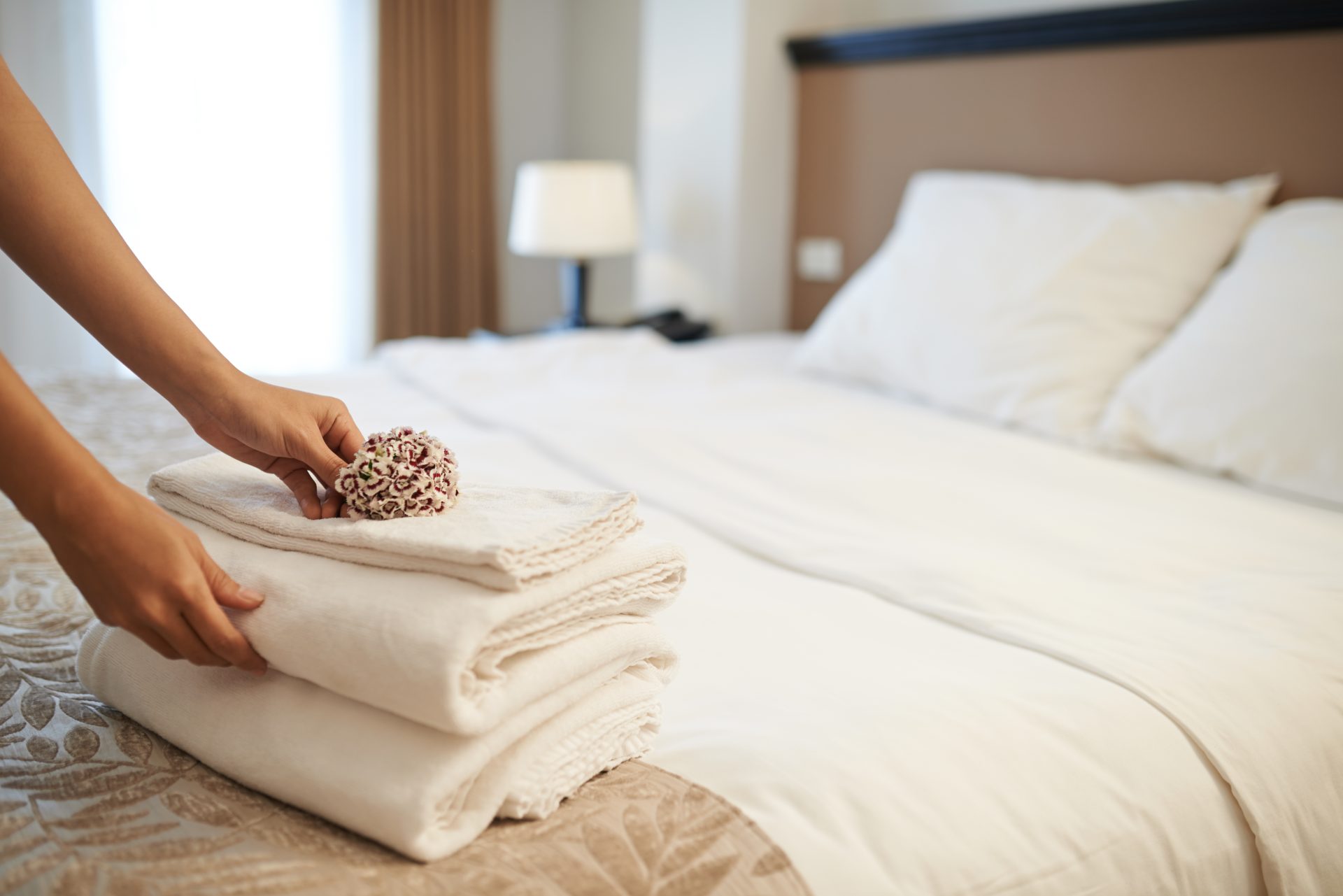
Finally, set a baseline standard of the quality of items you use in the hotel. This includes items like toiletries, towels, bedding, etc.
Having unclean or poor-quality bed linen can be a massive disappointment for guests. Stains and odors can be easily detected by them (who are already skeptical about spending a night in an alien bed). So, ensure you only do business with vendors who consistently deliver the best quality goods.
Final words
As the travel, tourism, and hospitality industries are constantly evolving, keeping track of the changing tastes, preferences, and habits of travelers is necessary for your business’s survival. Whether investing in innovative technology or better parking management, hoteliers must keep their eyes open for new challenges and opportunities.

Keep every hotel to the same standard
Bindy helps hotel groups maintain brand standards and deliver consistent experiences across properties. Verify rooms, bathrooms, housekeeping, signage, equipment and breakfast setup with checklists and photos, report incidents, and assign and track corrective tasks in real time. See how one hospitality group used Bindy to collect insurance certificates from 300 franchisees. Plans start at $129/month with unlimited users and locations. Start free for 14 days, no credit card required.
About the author:

Francesca Nicasio is a retail expert, B2B content strategist and LinkedIn Top Voice. She writes about trends, tips and best practices that help retailers increase sales and serve customers better.




 EN
 AR
 NL
 FR
 DE
 EL
 HE
 HI
 IT
 JA
 KO
 PL
 PT
 ES
 SV
 TR
Leave a Reply