With the amount of competition in the retail sector, brands are looking for new and better ways to stand out in the crowd. Most are looking at bigger and better ads, having a great online store, and a growing presence on social media.
While all of these are good ideas, they usually take time to show results. One way to stand out almost immediately with your customers is with your visual merchandising and customer engagement programs. How a customer feels and what they experience in your store will determine if they buy from you and how your brand is perceived among your competitors.
This goes way beyond your sales team and how they interact with your customers. It includes how your store, overall, helps your customers to have a joyful and seamless shopping experience.

Your Visual Merchandising strategy is the key to ensuring your customers enjoy their time in your store, have engagement with your brand, and are encouraged to buy from you.
Here are 4 Visual Merchandising tips that will help boost your store’s Customer Service and Engagement (and ultimately your sales).

1. Plan your store layout
If you are using Action Card, GoAudits, GoSpotCheck, Repsly, Safety Culture, VisitBasis, WorkJam, Zenput or Zipline, it is time to ⚡ save time, cut costs, and onboard fast with Bindy, the #1 rated audit/inspection, task and communication platform for retail and hospitality.
Think of your Floor Plan as the “Sales Map” of your store. It will help to determine if customers will spend money in your store or not. The store layout can be used to guide your customers where to go and what you want them to see and experience.
For example, Ann Taylor has a very open and clean floor layout. You can see all of the departments and sections the moment you walk in. The aisles are wide and inviting so customers can walk through the store with ease. Depending on the type of store you have or what you sell, there are various layouts that you can use based on your target demographic.
There are five key points to remember when it comes to designing floor plans:
- Make sure your aisles are wide enough so your customers can walk through them comfortably and with ease.
- Ensure your fixtures are not too cluttered so it doesn’t overwhelm your customer or look too “messy”.
- Place key items at eye level on strategically placed fixtures for maximum exposure and sell-through.
- Use a mix of different types of fixtures to create interesting displays and add depth to your product displays.
- Be strategic with your adjacencies so complementary items are easy to find and have a seamless flow.
2. Tell Stories
The best way to keep your customers engaged while shopping in your store is through telling compelling stories. Storytelling is how you communicate with your customers about who you are as a brand and what you sell. Storytelling also informs your customers about how to wear or use your products. Your window and interior displays (tables, bust forms, walls, etc.) are a major part of how you tell your stories to your customers.
A compelling window display that shows a customer how they will look in a complete party outfit for an upcoming event, or a 3-dimensional display explaining how a beautifully made and colorful desk with matching stationary would look great in your customer’s daughter’s dorm room, are examples of how to use storytelling to inform as well as evoke emotion from your customers.
The stories in your displays, help to keep customers engaged during their shopping experience. The more engaged they are, the longer they stay in your store. The longer they are in your store, the more apt they are to buy from you.

3. Have a Signage Strategy
Your signage strategy is key to helping your customers make quick and informed decisions. The signs throughout your store are key to ensuring that your customers have a seamless shopping experience.
Your Signage Strategy should include:
- Category signs. These signs call out the different “departments” or “groupings” in your store. They help customers find what they are looking for quickly and easily.
- Promotions. These tell your customers where your deals are. Promotional signs can also show value for your best selling items that are not on sale but have an incredible price.
- Sizing. Folded items should have size stickers (if the material allows) and everything hanging or in a box should be arranged by size and in order. If possible, place small size rings on your hangers. No customer wants to shift through stacks of clothes or a bunch of boxes just to find their size. Make it easy for them.
- New Arrivals. These signs let your customers know what is new and hot now. They highlight the up-to-date and on-trend items or designers that you carry. This also helps give you a competitive edge by showing your customers that your brand is always current.
4. Leverage Technology
Technology is an essential component in Visual Merchandising when it comes to customer engagement. You can use technology to make shopping at your store more of an experience than just a plain shopping trip. Technology can help tell your brand’s story, create an overall mood, direct and highlight where your customers should go, and help you be creative with how you communicate ideas to your customers.
- Music. Music helps create a mood and makes the shopping experience for your customers more enjoyable. Make sure that the music reflects your brand and your ideal customer. A trendy fashion boutique should be playing Hip Hop or top 40 Pop and not classical or 60’s rock.
- Lighting. Using different colors and brightnesses of lights can also help to create or set a mood for your customers. It can help you highlight key areas of your store that you want your customers to focus on or items you want them to see. Make sure your overall lighting matches your brand as well. A higher-end fashion boutique should have clean and minimalistic lighting compared to a colorful and playful stationery/gift shop which should have bright and bold lighting.
- Video. Video helps to give your customers a more intimate or insider look into your brand. You can use a small TV or tablet to show your customers videos of your latest fashion show, an event that you hosted, or interviews with designers or brands that you carry. This increases the engagement factor with your customers which in turn enhances their shopping experience.
- Digital Displays. Digital displays give a boost to your current signage strategy. They can enhance your graphic message and your stories for your customers. Use them in windows or key areas on your floors to make more profound statements about your Promotions, New Arrivals, or Brands/Designers. They can be programmed to change out as many times as you like to keep the message fresh and interesting.
Bonus Tip: Keep your Merchandising Tidy
Remember that no one likes messy displays and disorderly shelves! Keep your merchandising on point and aligned with the brand’s ethos. Conduct regular store audits, use photo verification and digital signatures to confirm in-store execution.

About the author:
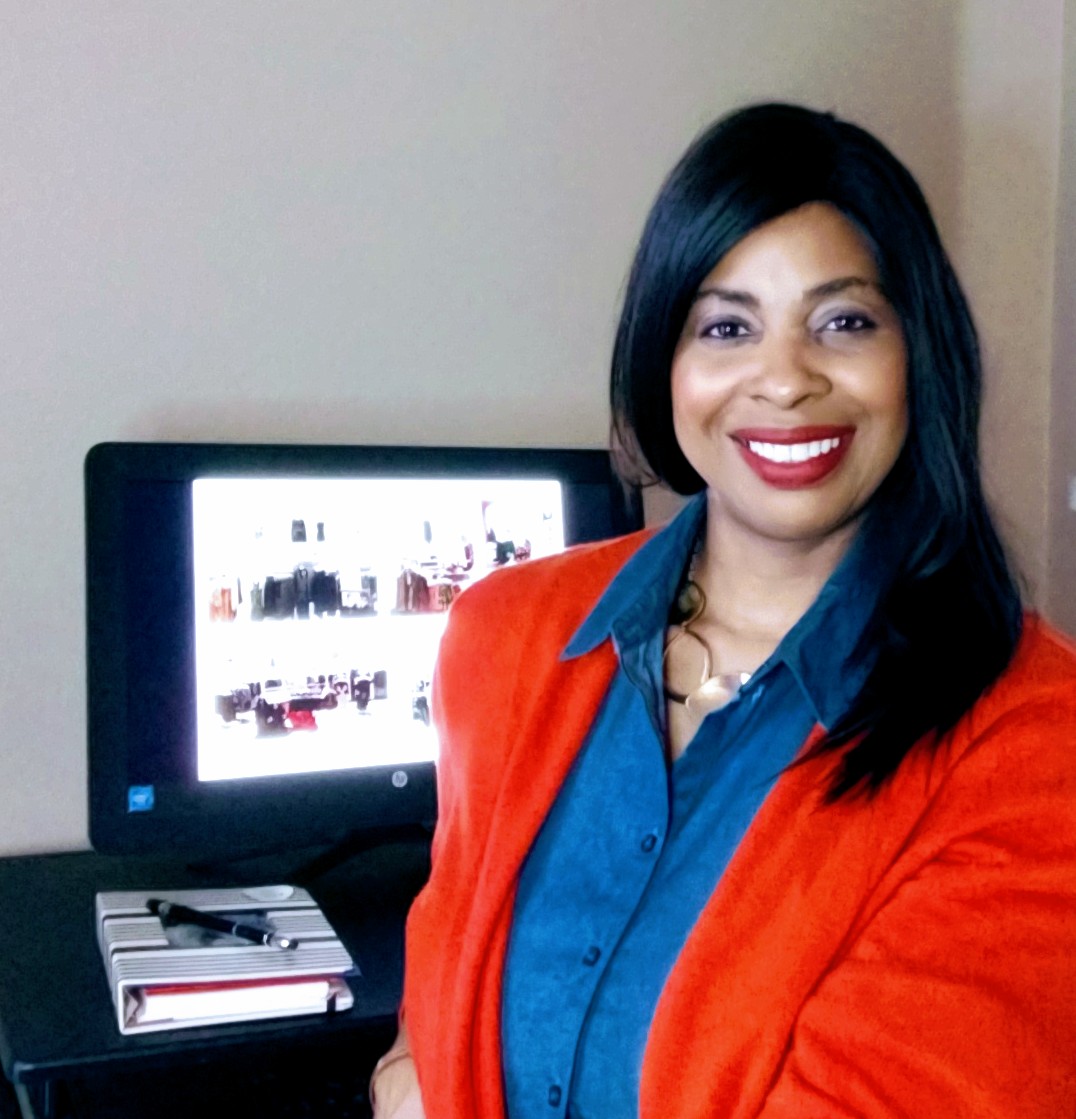
Nichole Simms is the CEO of the Retail Consulting company Creative Visual Solutions. She has 30 years of Retail and Visual Merchandising experience working with the country’s top brands like:Nike, UA, Ann Taylor, and Forever 21. She now uses her knowledge and expertise to help Boutique and Small Retail owners grow their businesses through the power of Visual Merchandising.

 EN
EN  AR
AR  NL
NL  FR
FR  DE
DE  EL
EL  HE
HE  HI
HI  IT
IT  JA
JA  KO
KO  PL
PL  PT
PT  ES
ES  SV
SV  TR
TR
Excellent information. Your site definitely explains essential concepts to its readers. Thanks for continuing to write such wonderful articles.
Here are some more tips
Really interesting read! I feel using the right colors is extremely important as well. Different colors invoke different feelings. And the right color should be chosen based on the product and the brand.