
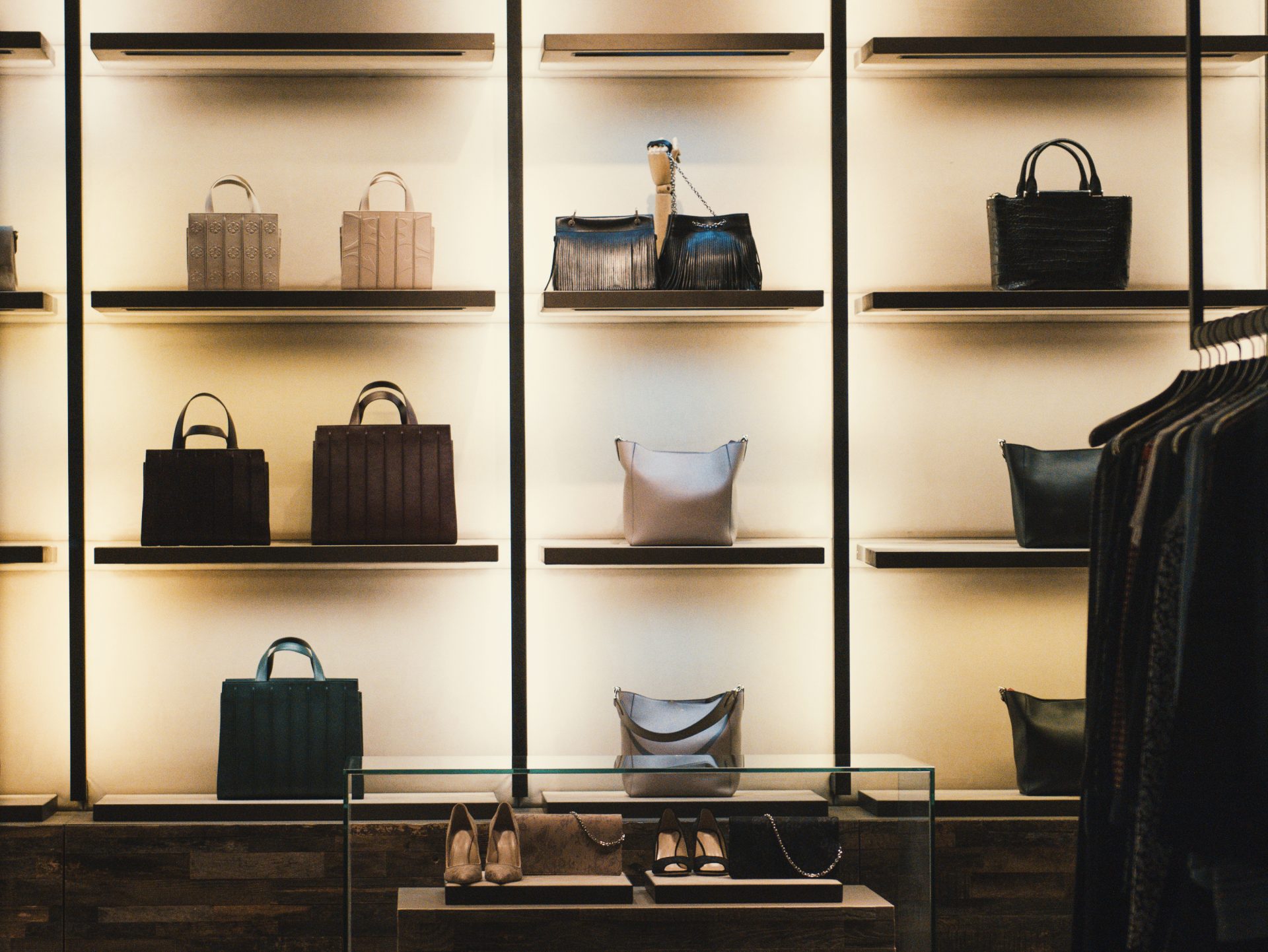
En breve: Winning retail displays combine stopping power (bold color, unusual shapes), a short message placed at eye level, sensory or emotional appeal, the right amount of stock, and constant upkeep. But design is only half the job: industry research has found that many planned displays never get executed correctly, so brands need clear setup instructions, on-time delivery, store audits and follow-up with retail partners.
Like it or not, appearances matter in retail and CPG. The look of your products, and the way they’re displayed, directly affects what shoppers buy. You get few chances to engage shoppers in store, so it pays to invest in how your displays are designed and executed.
Here are eight expert-backed tips for creating and executing retail displays that pop.
1. Choose colors and shapes wisely
The rules for display design aren’t set in stone, but there are best practices. According to Maureen Gumbert, then Marketing and Creative Team Manager at KDM POP Solutions Group, “design must have stopping power — bold, bright colors, hues that are vivid and clear. Be selective in color choice so that you communicate the proper vibe and align with your brand style guide.”
She also recommends shapes people don’t see every day: “Use unique display shapes and sizes to stand out on shelf and in the aisles within your product category.”
2. Stay on top of maintenance
Even the best-designed display loses its appeal if it looks dusty or worn. “A well-maintained display will certainly represent both the brand as well as the retailer itself,” says Lisa Dawsey Smith, a former Walmart general manager. She recommends checking displays throughout the day so they never look shopworn or become a dumping ground for discarded items.
In busy stores, invest in durable materials. “The display must withstand the rigors of store traffic in order to look appealing,” says Gumbert.
3. Think about message hierarchy and positioning
It’s not just what you say, it’s how you say it. Gumbert recommends “a clear message hierarchy”: “Keep [it] simple with just a few solid points (5 to 7 words) that best describe the reason they need this product. Use bold, easy to read type.”
Shoppers often research on their phones before and during a trip, so you don’t need to list every feature. Keep the message short, but “make sure the pricing is easily identified by the shopper or they may overlook your product.”
For positioning, “the typical shopper’s view while pushing the cart through the store is between 3 1/2 and 4 1/2 feet. Try to place your message in that strike zone whether it’s a floor stand display or an aisle violator.”
4. Stimulate people’s senses
The best displays offer more than visuals. Retail expert Jaymison Haeussler points to Costco’s in-store sampling of its Kirkland Signature brand, which let shoppers touch, smell and taste the product and helped bring Kirkland “into the product mix forefront.”
Haeussler also remembers a Harry’s razor end cap as one of the best displays of his career:
“[It did so well] because it’s a whole end cap with a cardboard cutout of a cartoonish man shaving in the mirror. And the mirror is about head height with the average male… I can’t tell you how many people stop to look at that end cap and stare into that mirror or stop me to ask if I’ve heard of that product.” – Jaymison Haeussler, retail expert
Gumbert agrees that brands should mostrar, not just tell: “Simulate what it would be like to use or consume the product, illustrate the results or benefits, and make it aspirational.” Keep interactive displays intuitive: if you use sound, scent or motion, tell shoppers exactly what to do with prompts like “Smell this” or “Press button to play.”
5. Consider digital signage
If it suits the product and audience, digital screens can help you stand out. “Shoppers’ attention spans last only a few seconds, so retailers have a split second to capture their interest and engage them,” said Kris Konrath, then Director of Marketing at Convergent.
“Digital signage can be effective – but the key is in the content. It needs to have a clean, straightforward message and design,” Konrath added. Integrate screens into the display with the same care as static signage, rather than simply hanging them on a wall.
6. Create displays that evoke emotion
“Some of the best displays are ones that evoke an emotional response, especially when it comes to CPGs,” says Haeussler. “How many people do you know get excited over buying a tub of dish soap or a bag of potato chips? … But what gets people to impulse buy or to notice a display is when it evokes an emotional response.”
Soft drink and snack brands do this well around the Super Bowl, building displays from product cases in the shape of a football field or goal post. “That’s the kind of thing that get people excited for the game!”
7. Keep the right amount of stock on display
“There is a fine line between not having enough merchandise and having too much that it becomes a liability,” says Smith. Decide how much product each display should hold, avoid clutter (“Give shoppers a link between the visual and the message in an uncluttered design that includes white space,” says Gumbert), and make sure someone restocks it so it never looks empty.

8. Ensure proper execution
Designing a winning display is one thing; getting it onto the sales floor correctly is another. Brands and POP suppliers develop a campaign, produce the materials and ship them, expecting everything to make it into stores. Yet the POPAI/ARE Compliance Initiative Report (2015) found that only four out of 10 planned display executions were compliant.
“Materials either never reach their intended location, are often obsolete by the time they are received, are not placed in their proper location, or are simply never installed and end up in the trash.” – Maureen Gumbert
Gumbert’s six considerations for better execution:
- Understand each retailer’s requirements: style guides, visual merchandising standards, type rules, store formats and display authorization procedures.
- Design display footprints that fit the promotion scope and the store space allotted.
- Make setup easy. Pre-assembled, pre-loaded displays get higher compliance; if assembly is needed, keep it simple and include detailed planograms.
- Deliver on time. Late campaign elements cost retailers and brands sales.
- Use store profiling data to automate what goes where and when, instead of error-prone spreadsheets.
- Keep displays stocked, whether by store staff or a third-party merchandiser.

Once displays hit the floor, audit them to confirm compliance. Schedule merchandising audits in advance and run them on a mobile, cloud-based system so photos, results and corrective actions are shared instantly.
Then follow up with your retail partners. Haeussler notes that brand reps often check how a product is doing but don’t close the loop: “If the store is behind on putting their end cap together, they usually just ask for us to get it done and that’s about it. There’s no follow-up to the follow-up.” Don’t make the same mistake. Share your findings with the store and agree on next steps; you’ll improve compliance and set up your next program for success.
Bonus tip: Keep your merchandising tidy
Nobody likes messy displays and disorderly shelves. Keep merchandising neat, faced and aligned with your brand’s look all day long, not just on setup day.
Know your displays went up right
Bindy helps brands and retailers send display instructions and planograms to every store, assign setup tasks, and collect photo proof and audit results so you can fix gaps fast. Read our guide to retail audits to learn more. Plans start at $129/month with unlimited users and locations. Comienza gratis durante 14 días., No se requiere tarjeta de crédito.
Sobre el Autor:

Francesca Nicasio Es experta en comercio minorista, estratega de contenido B2B y una de las voces más destacadas de LinkedIn. Escribe sobre tendencias, consejos y mejores prácticas que ayudan a los minoristas a aumentar las ventas y brindar un mejor servicio al cliente.




 ES
 EN
 AR
 NL
 FR
 DE
 EL
 HE
 HI
 IT
 JA
 KO
 PL
 PT
 SV
 TR
Deja una respuesta