

En bref: In-store execution is where many merchandising programs fall apart. Research from the In-Store Implementation Network found that only a tiny share of promotions and resets were executed completely and accurately, that half of authorized displays went up late or not at all, and that sub-optimal merchandising cost the U.S. industry roughly 1% of gross product sales. The fix: a clear compliance plan, the right tools and relentless measurement.
It’s often said that success in retail comes down to execution. So how well do retailers execute, and what does merchandising non-compliance cost?
We discussed the state of in-store execution with James Tenser, then a director at the In-Store Implementation (ISI) Network, around a NARMS–ISI webinar. The findings, first published on this blog in 2010, still describe the problem many brands and retailers face today.
Coûts et opportunités manquées
According to the In-Store Implementation Network research presented at the time:
- Only 4% of respondents estimated that in-store promotions, resets and other merchandising activities were implemented completely and accurately.
- 50% of authorized retail promotional displays were not erected, or were erected late.
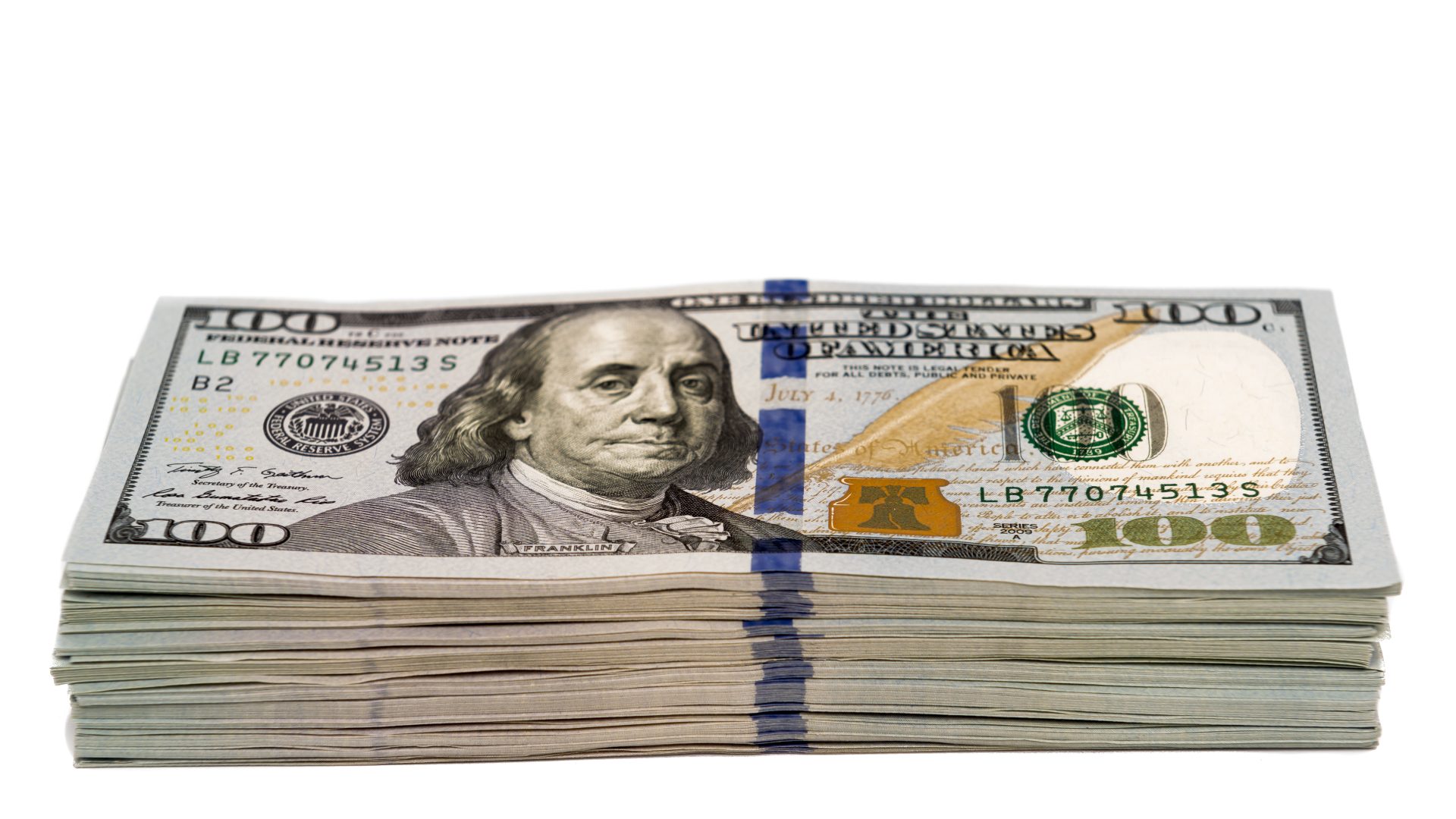
- The total cost of sub-optimal merchandising to the U.S. industry was approximately 1% of gross product sales.
Later industry research tells a similar story: the POPAI/ARE Compliance Initiative (2015) found that only four out of 10 planned display executions were compliant.

The solution is straightforward
The implications for multi-unit retailers and brands run deep, but the solution is achievable. In Tenser’s words:
“The retailer that formulates a compliance plan, enables it with appropriate solutions, and measures its outcome relentlessly will always achieve better performance on in-store programs.” – James Tenser, Principal, VSN Strategies
- Plan: Define exactly what each store must do, by when, with photos of what good looks like.
- Enable: Send instructions, planograms and tasks to the right stores, and make it easy for them to confirm completion.
- Measure: Verify with audit de marchandisage and photo proof, then follow up on gaps.
For more on the costs and ROI of audits, see Combien coûtent vraiment les audits de vente au détail ?
Plan, enable and measure in one place
Bindy helps brands and retailers send merchandising programs to every store, track completion, and verify execution with photo proof and 28 built-in reports. Plans start at $129/month with unlimited users and locations. Commencez gratuitement pendant 14 jours, Aucune carte de crédit n'est requise.


 FR
 EN
 AR
 NL
 DE
 EL
 HE
 HI
 IT
 JA
 KO
 PL
 PT
 ES
 SV
 TR
Laisser un commentaire