
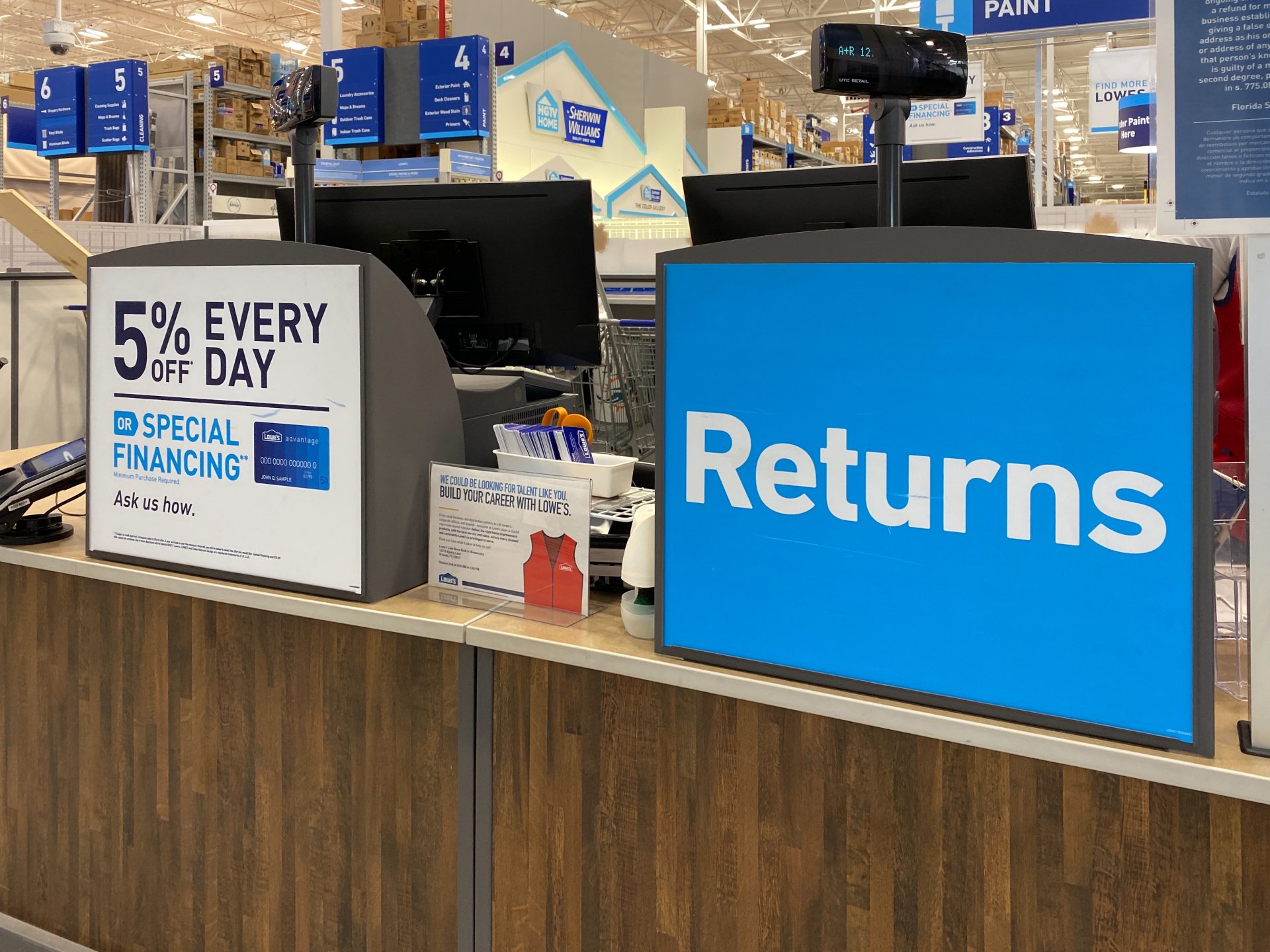
Retail returns aren’t just an ecommerce problem; every retailer should be thinking about ways to reduce them. Online purchases are returned more often than items bought in-store, but in-store returns still take a big bite out of retailers’ margins.
The scale of the problem is huge. According to the NRF and Happy Returns, U.S. consumers were expected to return about $890 billion worth of merchandise in 2024, or 16.9% of annual retail sales. So, what’s a retailer to do to protect margins?
要するに: To reduce in-store returns, help shoppers research products in the store (fast WiFi, accurate product info and associates equipped with mobile devices), follow up with customers after purchase by email and social media, and tighten reverse logistics so the returns you do get go back on sale faster.
The touchy subject of return policies
Generous return policies were a retail trend for years, but many retailers have scaled back to contend with serial returners. L.L.Bean, for instance, ended its famous lifetime return policy in 2018 and now gives customers up to a year to return most purchases.
Certain retail categories are particularly vulnerable to serial returners. Apparel is a prime example: in 2019, Forbes reported that apparel gifts were returned at double the rate of other holiday gifts.
Rising return rates, driven in part by ecommerce and serial returners, have led many retailers to shorten return windows, add restocking fees or start charging for mail-in returns. Zara, for example, began charging customers for online returns sent by mail in 2022.
しかし、返品ポリシーが厳しすぎると、リピーターを遠ざける可能性があります と 初めてのお客様。したがって、売上を減らさずに返品を減らすには、戦略的である必要があります。店舗での返品を減らすために使用できる 3 つの戦略を次に示します。
Enable in-store product research
ショールーミングとウェブルーミングを覚えていますか?まあ、それらはまだ起こっていますが、 69% 店舗で購入する前にスマートフォンで商品レビューを調べている顧客の割合。

WiFiの重要性
これは、実店舗が一貫した高速の WiFi 接続を提供していない場合、顧客が購入を決定する前に必要な製品調査を行うことができないことを意味します.その結果…ご想像のとおり…彼らがあなたの店を出たときに戻ってきて、最終的にオンラインコミュニティ、家族、友人から製品のフィードバックを得る.
インターネットの速度と待ち時間は、店舗での製品調査を可能にする能力に影響を与える可能性があるもう 1 つの要因です。ページの読み込み時間が遅いと、顧客は購入の決定に必要な製品調査を行うことができなくなります。
5G is now widely available and supports far more connected devices than 4G. As Raconteur explains, “4G can support about 4,000 devices per square kilometer, whereas 5G will support around one million.” Even so, strong in-store WiFi remains the most reliable way to make sure every shopper can look things up.
Up-to-date product information
すべての製品データをオンラインで利用できるようにすることも同様に重要です。製品情報を最新の状態に保つようにしてください。覚えておいてください、顧客は常に自分で購入しているわけではありません。
製品が植物性素材で作られているかどうか、屋外で着用したときのアパレルの動き、生産プロセスの持続可能性、製品のサイズが小さいか大きいかなどの情報。これらすべてにより、顧客は必要な製品データを得ることができます 前 彼らは購入します。
In-store tech
最後に、店員にテクノロジーを装備して、顧客に製品情報と在庫状況に関する情報を提供できるようにすることを考えてください。さらに、店内の技術は、顧客サービスのレベルアップに役立ちます.アソシエイトは、店舗で在庫切れの商品の顧客のオンライン注文を処理できます。これにより、顧客にとって便利なショッピングを維持しながら、購入を確保することができます。
Nordstrom was doing this back in 2012. In an article for NPR, Nordstrom’s public relations director, Colin Johnson, said, “You’ve got to be rapid, you’ve got to be on the spot. You have to have that information at your fingertips.”
In the same eMarketer research, 66% of store associates said they could provide better customer service if they were equipped with tablets. Reduce returns by giving customers what they need, and boost your bottom line by equipping employees with the knowledge and tools to make the sale.
Reduce returns by following up online
信じられないほどの購入体験をしたのに、小売業者から二度と連絡がなかったことがどれくらいありますか?現代の消費者は、小売業者が継続的な関係を築くことを期待しています。そして、実店舗、電子メール、ソーシャル メディア、さらには印刷物 (場合によっては) のマーケティングなど、複数のタッチポイントでこれを行う必要があります。
Consumers are more loyal when retailers put in the work. In a 2019 roundup of retail stats, フォーブス reported that 77% of consumers (and 60% of millennials) had relationships with certain brands lasting more than 10 years.
伝統的な実店舗の小売業者であれば、チャネルをまたいで関係を構築することは比較的新しい概念のように感じるかもしれません。しかし、従来のクライアンテリング (ボックス内のカードからの古い呼び出し) のように考えてみてください。
以前はフォローアップの電話でした。今はフォローアップ メールとソーシャル メディア愛です。チェックアウト時に顧客の電子メールアドレスを取得して、購入ごとに祝福することから始めます。
次に、ブランド固有のハッシュタグをまだ作成していない場合は、作成します。ソーシャル メディアでのブランドのハッシュタグの顧客の使用を監視して、顧客が製品の画像を共有するたびに、顧客に個人的に感謝する (またはリグラムする) ことができます。
Brand-specific hashtags help start an ongoing dialogue that can drive repeat purchases and make customers more excited about the products they already own. And engagement pays: Gallup research has found that fully engaged customers deliver a 23% premium in share of wallet, profitability and revenue compared with average customers.
例えば、 キットカット は、ソーシャル メディア プラットフォーム全体で #HaveABreak というキャッチフレーズを使用しています。彼らの顧客はそれを知っており、KitKat とそのソーシャル コミュニティに関与するために使用しています。
さらに、キットカットのブランド固有のハッシュタグにより、ソーシャル メディアをスキャンして顧客の苦情を探し、連絡を取り、優れたサービスを提供して悪影響を軽減するソリューションを提供することもできます。
If you can’t beat ‘em, reduce return impact
リターンについてより戦略的になる機会もあります。 行う happen in-store to reduce their impact on your bottom line. The cold, hard truth: a 2019 PYMNTS report found that less than half of returned goods are resold at full price.
返品のマイナスの影響を軽減するには、リバース ロジスティクス (リバース サプライ チェーンとも呼ばれる) オペレーションを改善することから始めます。これを行うと、返品された商品を売り場でより短時間で改装、清算、または元に戻すことができます。これは、より少ない製品を値下げする必要があり、経済的打撃を少なくする必要があることを意味します.
Communication is one of the most important factors in the reverse logistics process. You need to ensure stores know the most efficient way to handle returns. You can use a communication platform like ビンディ あなたの店を知っておくために。
たとえば、小規模から中規模の SMB の場合、複雑な返品クエリに回答したり、従業員が更新されたポリシーを実行していることを確認したりするための管理スタッフが常にいるとは限りません。 Bindy のアプリ内チャットを使用すると、従業員は即座に安全に管理者にメッセージを送信して支援を求めることができます。

使用する タスク の直線を作る コミュニケーション 経営陣と小売店の従業員の間で、スタッフにサポート資料を送信します (そして、スタッフがそれらを読んだことを確認します)。
スタッフは、製品画像をアップロードして共有し、フィードバックを求めることで、あなたとコミュニケーションをとることができます.リンクされたタスクを作成して、スタッフが追跡しやすいシリーズを作成して、返品をリアルタイムで再利用することもできます。
最終的な考え…
顧客が製品を返品できないようにすることは、現代の小売業者にとってあまりにも危険な命題です。店舗での返品は費用がかかりますが、予防措置を講じることで大幅に削減できます。
ここで説明したツールを利用し、顧客と継続的に対話することで、顧客/小売業者との優れたコミュニケーションを通じて店舗での返品を減らすことができます.幸せな販売!
Get every store handling returns the same way
Bindy keeps return policies, procedures and follow-up tasks in one place, with chat for quick questions and photo checks to confirm execution. Plans start at $129/month with unlimited users and locations. 14日間無料でお試しください, クレジットカードは不要です。
著者について:

ジャスミン・グラシーン is a retail writer, content marketer, and brand representative. She provides thought leadership on the retail sector for The Robin Report, IBM, Retail Minded, Sourcing Journal, and many more.



 JA
 EN
 AR
 NL
 FR
 DE
 EL
 HE
 HI
 IT
 KO
 PL
 PT
 ES
 SV
 TR
コメントを残す