

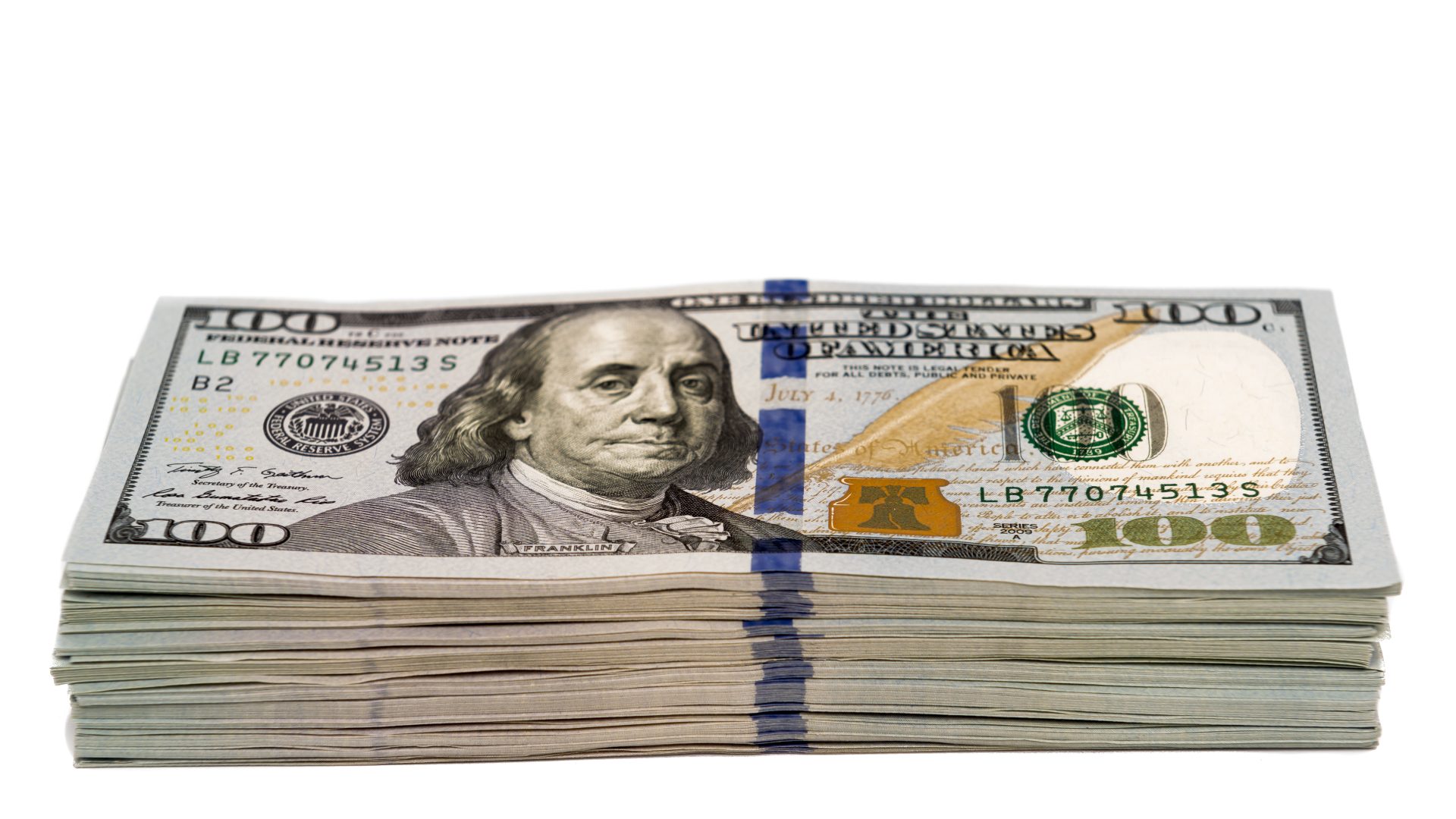
Seasonal programs like Valentine’s Day drive big profits for retailers and restaurants. According to the National Retail Federation (NRF), Valentine’s Day spending was expected to reach a record $29.1 billion in 2026, up from $27.5 billion in 2025. The 55% of consumers celebrating planned to spend a record $199.78 each on average, and more of that love is going to children, pets, friends and coworkers.
In short: NRF expected record U.S. Valentine’s Day spending of $29.1 billion in 2026, led by jewelry ($7.0 billion), evenings out ($6.3 billion) and clothing and flowers. Gifts for pets, friends, coworkers and classmates are growing, and department and discount stores remain key destinations, so stores need displays and programs executed on time.
“Valentine’s Day is a cherished holiday that resonates with many Americans, as seen with expected record-breaking spending this year.”
Katherine Cullen, NRF Vice President of Industry and Consumer Insights

Jewelry leads all categories, with a record $7.0 billion expected in 2026 and 25% of celebrants planning to buy it. Proposals play a part: in a 2017 survey by retailer James Allen, 43% of millennials picked Valentine’s Day as their top choice to propose or be proposed to.
NRF also expected $6.3 billion to be spent on evenings out, $3.5 billion on clothing and $3.1 billion on flowers, while 56% of celebrants planned to buy candy. Significant others account for the biggest share, at $14.5 billion, but shoppers also planned to spend:
- $4.5 billion on other family members
- $2.4 billion on friends
- $2.2 billion on children’s classmates and teachers
- $2.1 billion on pets, a record
- $1.7 billion on co-workers
Retailers should consider a merchandising display of inexpensive Valentine’s themed gifts that can be easily gifted to the categories listed above.
The first ever box of Valentine’s Chocolates was created by Richard Cadbury in 1868.
According to Hallmark, 145 million cards are exchanged on Valentine’s Day. This estimate does not include Valentines exchanged in children’s classrooms.
Physical stores still matter for Valentine’s Day. In NRF’s 2026 survey, 38% of shoppers planned to buy online, but 35% planned to shop at department stores, 30% at discount stores and 21% at specialty stores.
With $29 billion up for grabs, are your stores ready? Are your Valentine’s Day marketing and merchandising initiatives executed in full, across all your locations? Relying on paper, Excel and email is slow, error-prone and ultimately… expensive.
Automate the process in 5 easy steps with retail audit software and get immediate results, higher sales, and lower costs.
Not sure how to check in on your merchandising? Use this merchandising checklist, and follow up with 7 Visual Merchandising Techniques to Increase Sales.
Roll out Valentine’s Day programs in every store
Bindy helps you send seasonal merchandising plans to every location, confirm setup with photo-verified checklists and follow up on stores that fall behind. Plans start at $129/month with unlimited users and locations. Start free for 14 days, no credit card required.


 EN
 AR
 NL
 FR
 DE
 EL
 HE
 HI
 IT
 JA
 KO
 PL
 PT
 ES
 SV
 TR
Leave a Reply