
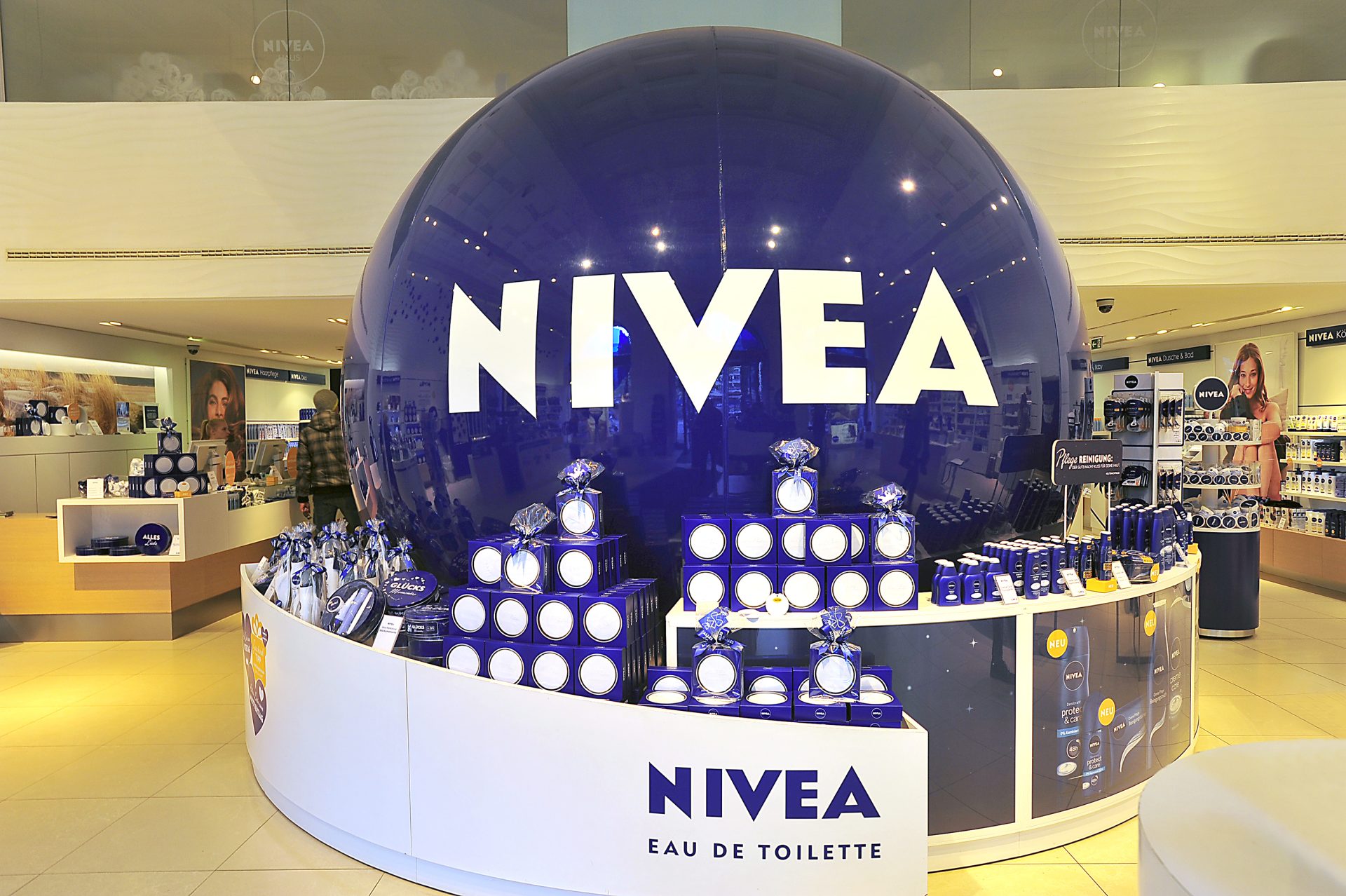
A point of purchase display (aka POP display) is a critical sales and marketing tool for retailers and CPGs.
POP displays can introduce and educate shoppers, encourage them to try a product, and ultimately drive sales. Point of purchase displays can also enhance a retail store. The best ones breathe life into your space, making it look more welcoming and dynamic.
POP displays are so important, in fact, that a 2018 market report projected the global point of purchase display market would grow at a CAGR of 5.9% from 2018 to 2026.
Point of purchase displays offer a lot of value to brands and retailers, and they will continue to do so for years to come. But in order to get the most out of them, your POP displays have to be creative, unique, and well-executed.
In short: The best POP displays use relatable imagery, unusual shapes, seasonal hooks, interactive or video elements, clear educational info and “try me” invitations, with eye-catching materials and lighting. Refresh them often, keep them stocked and use sales data to decide what earns the space.
1. Use imagery that your audience can identify with
The best way to grab shoppers’ attention is to show them something they can relate to. Often, this means using images or people that fit the same profile as your target audience. If you’re selling to middle-aged men, then try to incorporate pictures of them in your displays. Selling to kids? Show them images they can identify with.
Barbie did this with a POP display built around its “You can be anything” message. The display featured a range of Barbies, each in a different career outfit and look.
In doing so, the brand put out an empowering and relatable message to young girls. So whether a girl wants to be a pilot, a doctor, or an astronaut, Barbie is telling her that she can accomplish it.
2. Go for an unusual shape
Boxy displays that look nothing more than glorified shelves are so commonplace in retail stores, they barely register on shoppers’ radars.
Strive to do something different by having your point of purchase displays come in unique shapes and sizes. Many beverage brands, for example, create displays in the shape of a drink bottle.
Or consider a unique shape altogether. Halos Mandarins, for instance, built a display around a large, colorful cutout of a tree, with the fruit sitting beneath it so shoppers feel like they’re picking mandarins from under the tree.
You could also put a new spin on a common display. Lindt, for example, has used boxy displays with the boxes stacked unevenly on top of each other, so they don’t look like a traditional point of purchase display.
3. Get in line with the seasons
If there’s a big holiday or shopping event around the corner, make sure your POP displays are relevant to the season.
Poo-Pourri, which sells fragrance sprays, is a fun example. It has marketed its product as “the perfect stocking stuffer” with witty holiday displays that tie the product to the season.
4. Create something interactive
If it makes sense for your brand and merchandise, add interactive elements to your display. Doing so gives people the opportunity to engage with the display itself so they can learn more about your products and be more encouraged to make a purchase.
Interactive displays are gaining in popularity and we’ll likely see (even) more of them in retail stores. And the good news? They’re more accessible than ever.
As David Ewart, the lead merchandiser and director at Pavilion Broadway notes, “Interactive displays are increasingly popular. With POS display units and tablets at their lowest prices ever, it’s very possible to create a tailored user experience.”
Check out what Sephora is doing in its South Coast Plaza location. Sephora attached a tablet to one of the shelves at the hair care section and invites shoppers to take the “Hair Care Finder” quiz.
Customers can tap on the screen, share details about their hair, and the quiz will generate product recommendations based on the shoppers’ input.

The Dollar Shave Club also makes use of interactive screens but on a larger scale. DSC has airport vending machines with life-sized screens that customers can interact with if they want to purchase razors on the go.
5. Use POP displays to educate
POP displays are primarily used to market and promote products, but there are instances when you should use them to educate customers. This is particularly important if you’re showcasing multiple items in one display.
Having various choices can overwhelm shoppers, so you need to point them in the right direction. This can be done by setting up displays with informative and educational content.
Crate & Barrel’s Pasadena, CA store offered a good example: a kitchen utensil display with short descriptions at the top explaining what each tool is used for.
6. Show the product in action
In-store demos are an excellent way to show off your products, but they can be labor-intensive and costly. Plus, not every product can be demonstrated on-site. Fortunately, POP displays offer a way to show your products in action without all the fuss.
By incorporating videos into your displays, you can effectively grab people’s attention and show them how your product works.
GoPro is a classic example: its in-store displays loop video of athletes filming themselves with the camera while surfing, so shoppers see exactly what it can do.
7. Encourage product testing
Use your POP displays to get people to test your products on the spot.
The Body Shop, for instance, has promoted its Body Butter line with displays that invite customers to test the product on themselves. Best of all, the display spells out what it wants customers to do: a bold “Try me” message that’s hard to miss.
8. Make your POP displays stand out with the right materials and lighting
“It’s important to make your POS/POP area eye-catching and engaging — this makes it easier for customers to find and entices them to purchase,” advises Mark Marth, CEO at Color Edge.
According to him, “Mixing substrates and materials (for example, mixing paper, vinyl, acrylic, etc), using bright/fluorescent colors, and using glitter and holographic textures will all make your POS/POP displays punchier.”
And don’t forget about lighting, he adds.
“Using interesting lighting — for example, backlit graphics combined with pops of light in other parts of your display and under-lit counters — will also draw the eye.”
Whittaker’s chocolate displays at Auckland International Airport in New Zealand are a good example. They mix materials and textures and are well lit, catching people’s eyes without being too bright or overwhelming.
9. Frequently switch up your displays
“The most common mistake I see retailers make is not changing their POP display,” says Meaghan Brophy, a senior retail analyst at Fit Small Business.
Meaghan’s advice? “Make sure POP displays are always tidy and well-stocked. Weekly, evaluate sales and product positioning to highlight newer or more popular items.”
Pro tip: Use a retail audit and task management solution like Bindy to make this process easier. Bindy simplifies your retail audits and evaluations, so you can make sure that your displays are being executed correctly — and on schedule.
10. Make data-backed decisions
Always listen to what the data is telling you. Track your sales and conversions to gauge the performance of your displays, and then adjust accordingly.
As Meaghan puts it, “POP displays are hot real estate. If something is not selling in your POP display, move it to make room for something that is selling better. Likewise, if something is selling really well, but doesn’t have great margins, change your pricing or swap it out with another item with better profit margins.”

Make your displays POP!
Making your POP displays stand out requires a mix of creativity and data.
It’s not enough to put a bunch of products in a colorful shelf or fixture. You need to factor in seasons, trends, and your audience’s needs in your design process.
And equally important is tracking the performance of your initiatives, so you can keep optimizing them.
Taking the steps above will enable you to come up with memorable point of purchase displays that engage and convert your customers.
Make sure every display goes up right
Bindy lets brands and retailers verify POP display setup in every store with photo checklists, then fix gaps with tasks and action plans. Plans start at $129/month with unlimited users and locations. Start free for 14 days, no credit card required.



 EN
 AR
 NL
 FR
 DE
 EL
 HE
 HI
 IT
 JA
 KO
 PL
 PT
 ES
 SV
 TR
Leave a Reply