
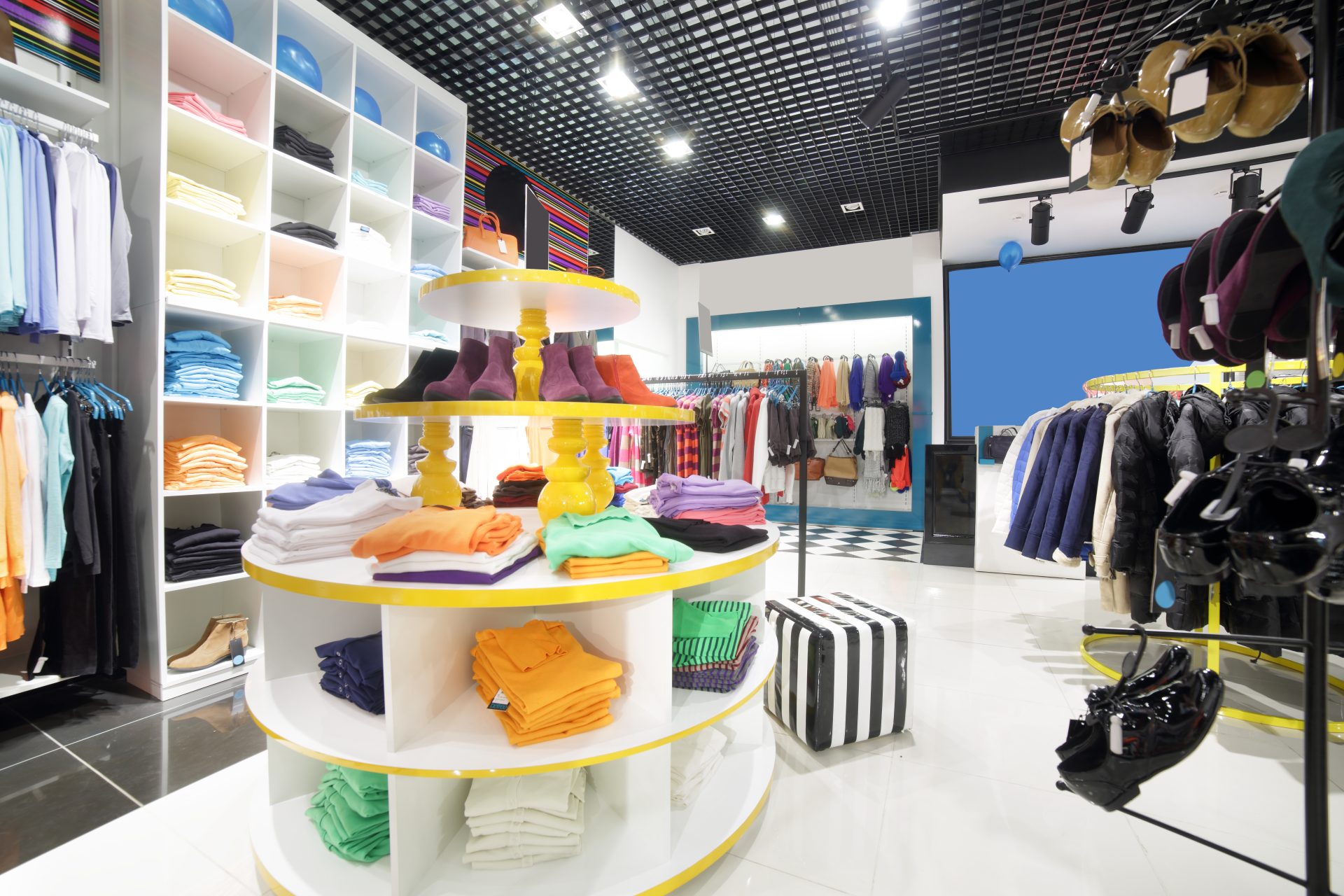
Visual merchandising in retail is the practice of presenting products and services to customers in a way that engages them and motivates them to buy. It covers everything shoppers see, from the storefront and windows to layout, displays, lighting and signage.
We know you have a lot going on so we have compiled the best tips/articles/blogs we know of to help you refresh your space and use it wisely to boost sales.
In short: this curated list gathers the most useful resources on visual merchandising in retail, organized by topic: general techniques, store windows, displays designed for social sharing, cross-merchandising, lighting, layout, common mistakes, and how to audit merchandising execution across stores.
General tips for visual merchandising in retail
Visual merchandising encompasses everything a customer sees as they move from the outside to the inside of your store. This means you need to optimize your storefront, windows, layout, and displays. The articles below have the tips you need to ensure your merchandising is working cohesively to attract customers and boost sales.
- 7 Visual Merchandising Techniques to Increase Sales – A short and comprehensive run-down of the main best practices for effective visual merchandising.
- In 10 Visual Merchandising Tips for Increasing Event Sales for Shopify. In this post Jen Hasty covers the importance of knowing your customer, color choice, and honing in on the details for smaller venues, trade shows, and booth displays.
- The best visual merchandising does more than present your product in an engaging way, it also helps your customer truly enjoy being in your store. 4 Ways Visual Merchandising Improves Customer Service and Engagement, by Nicole Simms, CEO of Creative Visual Solutions, explains how layout, signage, and technology all play a key role.

Visual merchandising in retail: Store windows
Your store windows matter. They are often the first impression a passer-by gets, and refreshing them regularly is an inexpensive way to promote what’s new and draw people in.
- The Trade Group recommends approaching window merchandising by first establishing goals, creating a plan, and monitoring results after execution. Their 29 Essential Tips to Master Visual Merchandising of Window Displays helps you plan strategically while keeping best practices in mind.
- 18 Tips to Visually Merchandise Your Brick and Mortar Store Windows by the Retail Doctor covers the basics, including the less exciting work of cleaning regularly and keeping your exterior in good repair, so your windows, not burnt-out bulbs or overflowing bins, get noticed.
Creating displays for social sharing
When if comes to visual merchandising in retail, creating displays and products designed for social sharing is all about taking advantage of user generated content to boost your brand awareness and, ultimately, sales.
With more than five billion people on social media worldwide (DataReportal), a display that shoppers want to photograph and share can reach far beyond your four walls. Beyond fashion and beauty, home goods retailers and restaurants are capitalizing on this with photograph-ready products, plates and even entire spaces.
Ready to up your social sharing game? See the tips below.
- 6 ways to Use Visual Merchandising to Drive Social Shares by Francesca Nicasio has both tips and examples. This will help you create engaging displays and encourage customers to share them.
- Thinking about a pop-up? Read 6 Tips to Make Your Pop-up Store Instagram-Worthy by Alexandra Sheehan for the storefront.com. This post focuses on best practices for getting customs to visit and post about your pop-up shop.
- If you are looking for general tips for mastering social media marketing, check out How to Master Social Media for Retail and Win More Customers by Brant Barnhart for SproutSocial.
Cross-merchandising retail tips
Cross-merchandising is a fundamental way to increase same store sales. When done well, cross-merchandising encourages customers to think beyond the single item they came into the store to purchase. It increases impulse buying and can help move stock that is otherwise stagnant.
- What is Cross Merchandising? by Meaghan Brophy for Fit Small Business covers the basics of effective cross merchandising. Brophy takes it beyond brick and mortar by including best practices for ecommerce cross merchandising.
- Cross-merchandising by Liz Wells for Talking Retail helps retailers think beyond obvious pairing categories. This post encourages tapping into the knowledge of your manufacturers and suppliers. For example, Mars Wrigley observes a connection between the consumption of hot drinks like coffee and the purchase of gum. Convenience store retailers can take advantage of this connection by placing gum and mint displays near hot beverage stations.
Visual merchandising in retail: Lighting tips
Lighting is an often overlooked yet easy way to boost in store sales. Lighting helps you create the appropriate mood for you brand and store. You lighting design should consist of a number of grids that can be individually controlled. Set up a great base and then incorporate more layers and techniques to take it to the next level.
- How to Set Up Your Retail Lighting in 4 Steps, by Krista Fabregas for Fit Small Business, breaks down the four primary lighting types you can use to brighten stores and boost sales.
- Let There be Light: Retail Lighting Designs to Encourage Sales, by Lauren Ufford for Shopify, discuss the basics of setting the appropriate mood. It also had advice for choosing fixtures and why bulb choice matters.
- When you are ready for the next level, 5 Lighting Techniques for Visual Merchandising to Increase Sales has curated examples to help you think about lighting layers and application.
Visual merchandising in retail: Layout
A good layout opens things up and declutters. Consider which fixtures are too bulky or crowd the aisles, and how you can make your best sellers even easier to reach. As you rethink your layout, these resources can help.
- 4 Retail Store Layout Tricks That Increase Sales by Kizer & Bender covers choosing the right layout, the decompression zone, “Lake Front Property” and speed bump displays.
- Planning Your Retail Store Layout in 7 Steps by Meaghan Brophy for Fit Small Business is a good overview of planning your store layout using industry best practices.
Common visual merchandising mistakes
We all make mistakes, but being aware of common errors improves your chances of getting it right. Successful visual merchandising attracts customers, keeps them engaged, and helps them move through your store. Poor merchandising causes you to lose out on both traffic and sales.
- Let’s start with the basics. See Reasons Why Customers are Walking Past Your Store for the most common mistakes (and how to fix them).
- 5 Retail Merchandising Mistakes that are Killing Your Sales covers the importance of spacing, lighting, and signage so your products stand out and make their way into your customers’ hands.
- If 5 was not enough, 10 Merchandising Mistakes Retailers Make that Lose Sales highlights simple changes you can make to improve your visual merchandising and customer experience.
Establishing a merchandising audit program
Even the best visual merchandising plan only pays off if stores actually execute it. A 2016 Shop! Association study found that only about 40% of contracted promotional displays were executed properly.

That is why it is so important to have a retail audit program that inspects in-store merchandising and execution. For help setting one up, see Merchandising Audits: Purpose, Scope and Methods and Retail Audits: The Definitive Guide.
Verify visual merchandising in every store
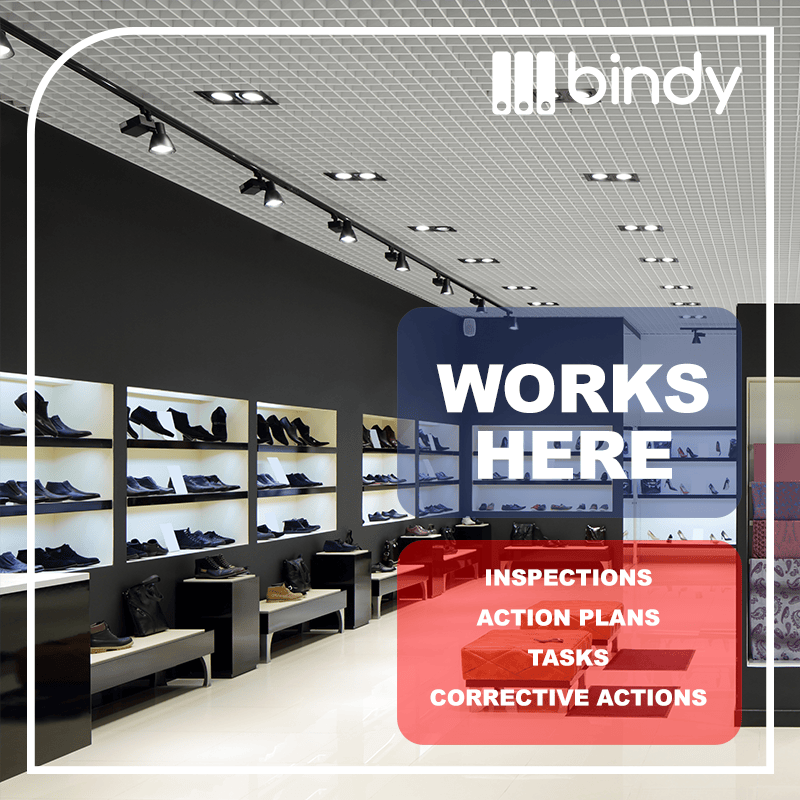
Bindy brings communication, tasks and audits together for multi-unit networks: send window and display guidelines to every location, collect photo proof, and run merchandising audits that turn gaps into tracked fixes. Start free for 14 days, no credit card required.




 EN
 AR
 NL
 FR
 DE
 EL
 HE
 HI
 IT
 JA
 KO
 PL
 PT
 ES
 SV
 TR
Leave a Reply