
Emerging technologies, a booming population and fast-developing economies are changing Africa’s retail landscape. This article was first published in 2019; we’ve dated the key figures and updated facts that have since changed.
要するに: African retail is being shaped by rapid urbanization, the world’s youngest population, a growing middle class, a shift from informal to formal retail, the AfCFTA free trade area, new subsea internet cables and a mobile-first, increasingly online consumer.

画像クレジット: Shutterstock
Demographics and urbanization
アフリカには、 最速の都市化 世界中。現在、人口の 40% 以上が都市部に住んでいます。 2030 年までに、アフリカの 18 の大都市の総購買力は $1.3兆.さらに、アフリカには 多くの都市 北アメリカとして100万人の住民がいます。
さらに、アフリカは世界で最も若い人口を持つ大陸になろうとしています。約 70% のアフリカ人は現在 30 歳未満です。若者は人口の約 20% を占めています。 53% のアフリカの所得者は 16 ~ 34 歳です。新商品に対する意識と消費意欲が高い世代です。
The rise of retail
人口の増加と大都市は、小売業にとって大きなチャンスとなります。
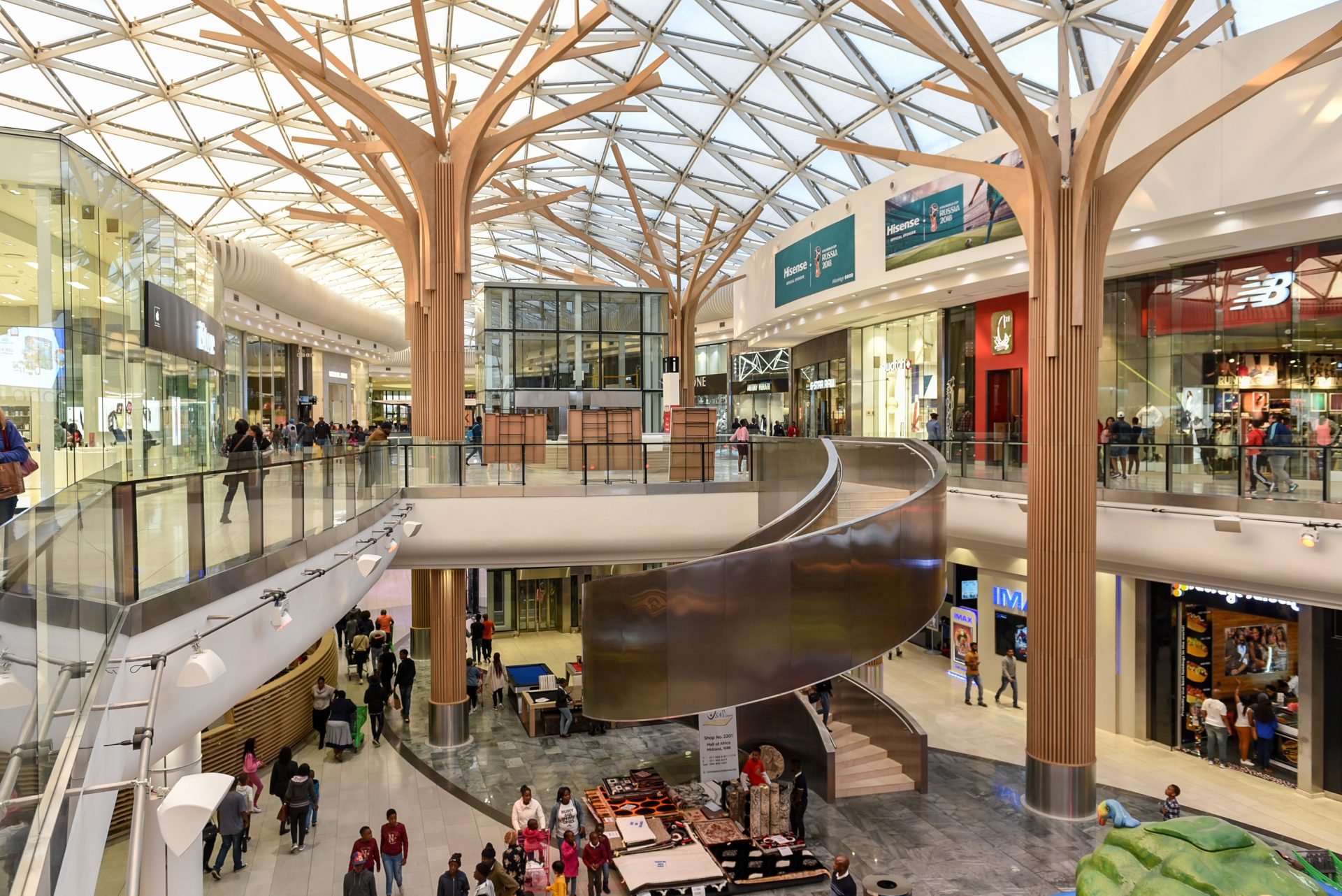
For instance, wholesale and retail were already the third largest contributor to Nigeria’s GDP when McKinsey studied the market. In 2019, ニールセン reported 54% growth in the number of stores in Kenya over the previous five years, and South Africa had almost 2,000 shopping malls covering more than 24 million square meters. Johannesburg’s revitalized Maboneng neighborhood, with its restaurants, hotels and galleries, became a symbol of the city’s transformation.
Growing middle class
アフリカの人口は推定13億人。 3億5000万 ミドルクラスと見なされます。現在、大部分が 15 歳から 24 歳に分類されます。この年齢層は、エンターテイメント、食品、テクノロジーなどの消費者カテゴリーにより多くを費やしています。

アフリカでの消費は、年々増加し続けると予想されます。あ デロイト コンシューマー レビュー 「多くの新興国経済が減速している現在、アフリカはアジアに次いで 2 番目に急速に成長している経済地域です。」
The rise of brands
新興の中産階級の消費者は、ますますブランドを意識しています。消費者支出は依然として、道端の屋台や町の市場などのインフォーマル セクターに集中しています。しかし、東アフリカではすでに、 インフォーマルからフォーマルな小売まで.
As retail moves from informal to formal, global players have expanded across the continent. Walmart bought a 51% 南アフリカの小売業者への出資 マスマート in 2010 and took full ownership in 2022.
Carrefour has also set its sights on Africa. In 2018, it partnered with African e-commerce company ジュミア to sell Carrefour-branded products online.
アフリカ人は地元のブランドに忠実である傾向がありますが、この傾向は、小売部門が有名な地元のブランドで飽和している中国やインドほど定着していません.ブランド認知度は、アフリカの消費者にとって非常に重要です。 頻繁に製品を呼び出します by 洗濯石鹸の「Tide」など、関連するブランド名。これにより、国際的なブランドに投資する機会が与えられます。
Loyalty programs
ロイヤルティ プログラムが重要です。 エイティ20 調査結果によると、平均的な南アフリカ人は 1 つではなく 9 つのロイヤルティ プログラムに参加していることが判明しました。アフリカの消費者行動に関する研究はほとんどないため、ロイヤルティ プログラムには、小売製品の品揃え、マーケティング、日常業務に関する情報を提供するという追加の利点もあります。
アフリカ開発禁止k 個の見積もりがある 2.1兆米ドル 食品や飲料、通信、銀行などのサービス ブランドは注意を払う必要があります。
A spectacular rise in gross domestic product
Sub-Saharan Africa is home to several of the world’s fastest-growing economies; in 2019, Ethiopia topped the list with expected growth of 8.5%. Since the start of the millennium, sub-Saharan GDP has generally grown faster 世界平均よりも。

“About half of the world’s fastest-growing economies will be located on the continent, with 20 economies expanding at an average rate of 5% or higher over the next five years, faster than the 3.6% rate for the global economy,” wrote Brahima Coulibaly, then director of Brookings’ Africa Growth Initiative, in 2019.
The African Union launched the operational phase of the African Continental Free Trade Area (AfCFTA) in July 2019, and trading under the agreement began in January 2021. Covering a market of more than 1.3 billion people, AfCFTA is the 世界最大の自由貿易圏 by number of member countries.
「各国は、特に若者の収入増と雇用創出が期待されるため、他国との貿易を増やす必要があることに気づき始めています。アフリカ内貿易は 53.3% に増加すると予想され、これは収入が増加することを意味します。」 – Vera Songwe、国連アフリカ経済委員会 (ECA) 事務局長
Infrastructure and innovation
伝統的に、インフラストラクチャの欠如は、信頼できる輸送や輸送の欠如から銀行機関や技術への深刻な課題をもたらしてきました.アフリカの起業家や小売業者は、「跳躍」 e コマースおよびオンライン e コマース プラットフォームを活用することで、伝統的な西洋の小売モデルを構築します。
ジュミア, founded in Nigeria in 2012 and listed on the New York Stock Exchange in 2019, is one of the continent’s best-known e-commerce marketplaces. It connects local and international brands directly with consumers across multiple African countries and runs its own payment platform.

B2B delivery network Sokowatch (renamed Wasoko in 2022) connects informal African retail stores with local and multinational suppliers like Procter & Gamble. Small shops can order through a mobile app or by SMS and have goods delivered quickly.
Sokowatch の創業者で CEO の Daniel Yu 氏は、「メーカーと小さなショップの両方で、私たちはそれらの間の接続層になりつつあります。以前は、ディストリビューター、サブディストリビューターから卸売業者まで、中間業者の複数の層がありました」と語った。 TechCrunch. 「現在、商品を調達するコストは…これらの店主のために、そのコストを約 20% 削減していると見積もっています。」
Infrastructure development
しかし、インフラ整備は急速に進んでいます。の ラップセット回廊プログラム ケニア、エチオピア、南スーダンを結びます。新しい深海港、パイプライン、高速道路、リゾート都市の計画があります。
Big tech is investing too. Google has built the Equiano undersea cable, which links Portugal with western and southern Africa, with landings in countries including Nigeria, Namibia and South Africa.

Meta and its telecom partners have also built 2Africa, one of the world’s longest subsea cable systems, which circles the continent with numerous landing points.
China has been a main driver of African infrastructure development. In 2019, デロイト estimated that Chinese firms built one in three African infrastructure projects and financed one in five.
モバイル技術
The GSMA, the global mobile industry association, reported that three-quarters of the population of Sub-Saharan Africa, or 747 million people, had a SIM connection in 2018, and projected that Africa’s mobile economy would generate $1500億 in economic value by 2022. Cell phones are 生活の中心 in Africa; in 2018, Trendwatching reported that 96% of web traffic came from mobile. Brands that want to engage African consumers need to be mobile first.
Two factors drive mobile use in Africa: infrastructure and population age. Where services are lacking, mobile phones take the place of things like landlines and ATMs. And with Africa’s young, tech-embracing population, mobile use keeps growing.
アフリカのモバイル ユーザーは、アプリに非常に慣れています。として デロイト 「消費者は『データ専用』の世界を受け入れており、63% はテキスト メッセージを使用しますが、南アフリカの携帯電話ユーザーは、テキスト メッセージや音声通話よりも、インスタント メッセージ (82%) やソーシャル ネットワーク (74%) を介して通信することを好みます。」
別 デロイトの調査 found that one in five respondents had bought products or services with their mobile phone. According to PayPal and Ipsos, online spending in South Africa alone was expected to reach R53 billion in 2018. And consumers from Nigeria, South Africa and Kenya made up almost half of Africa’s estimated 2100万 2017 年のオンライン ショッパー。
E-commerce growth
2019年の夏、 5億2500万 ユーザーはアフリカでインターネットにアクセスしました。アフリカのインターネット普及率は低くても、ラテンアメリカとカリブ海諸国 (4 億 4,700 万人)、北米 (3 億 2,800 万人)、中東 (1 億 7,400 万人) よりも多くのインターネット ユーザーを誇っています。
アフリカ諸国全体でのインターネット普及率の継続的な成長の結果、新しい e コマース プラットフォームやオンライン小売業者の出現に影響を与えています。の記事 IT ニュース アフリカ, アデシュ・キステン、 i-Pay の販売責任者は次のように述べています。
「信用が疑いの目で扱われることが多く、依然として現金が王様であるアフリカ市場では、低コストの銀行業者は融資や信用枠から遠ざかる傾向にあります。テクノロジーは、従来の銀行が負担しなければならないコストを抑える方法と見なされています。その結果、何百万もの顧客がスマート デバイスを介してオンライン バンキングにアクセスできますが、オンラインで買い物をする方法はありません。インスタント EFT ソリューションは、「カードを持たない」何百万人もの電子商取引の世界を開き、加盟店と消費者の両方にとって刺激的な新しい市場を生み出します。」

What’s next for retail in Africa
Africa is a market to watch, and it’s full of innovators. In 2018, Trendwatching reported that tech startups had grown by 40% between 2016 and 2018, and that 22% of the working-age population was starting new businesses. Rather than waiting on infrastructure, African entrepreneurs keep finding clever ways to get things done. Rapid urbanization, a young, tech-savvy population and improving infrastructure all point to continued growth and global influence.
Expanding across markets?
Bindy helps multi-location retailers keep standards consistent in every store and country with mobile-first checklists, tasks and communication in multiple languages. Plans start at $129/month with unlimited users and locations. 14日間無料でお試しください, クレジットカードは不要です。





 JA
 EN
 AR
 NL
 FR
 DE
 EL
 HE
 HI
 IT
 KO
 PL
 PT
 ES
 SV
 TR
コメントを残す