
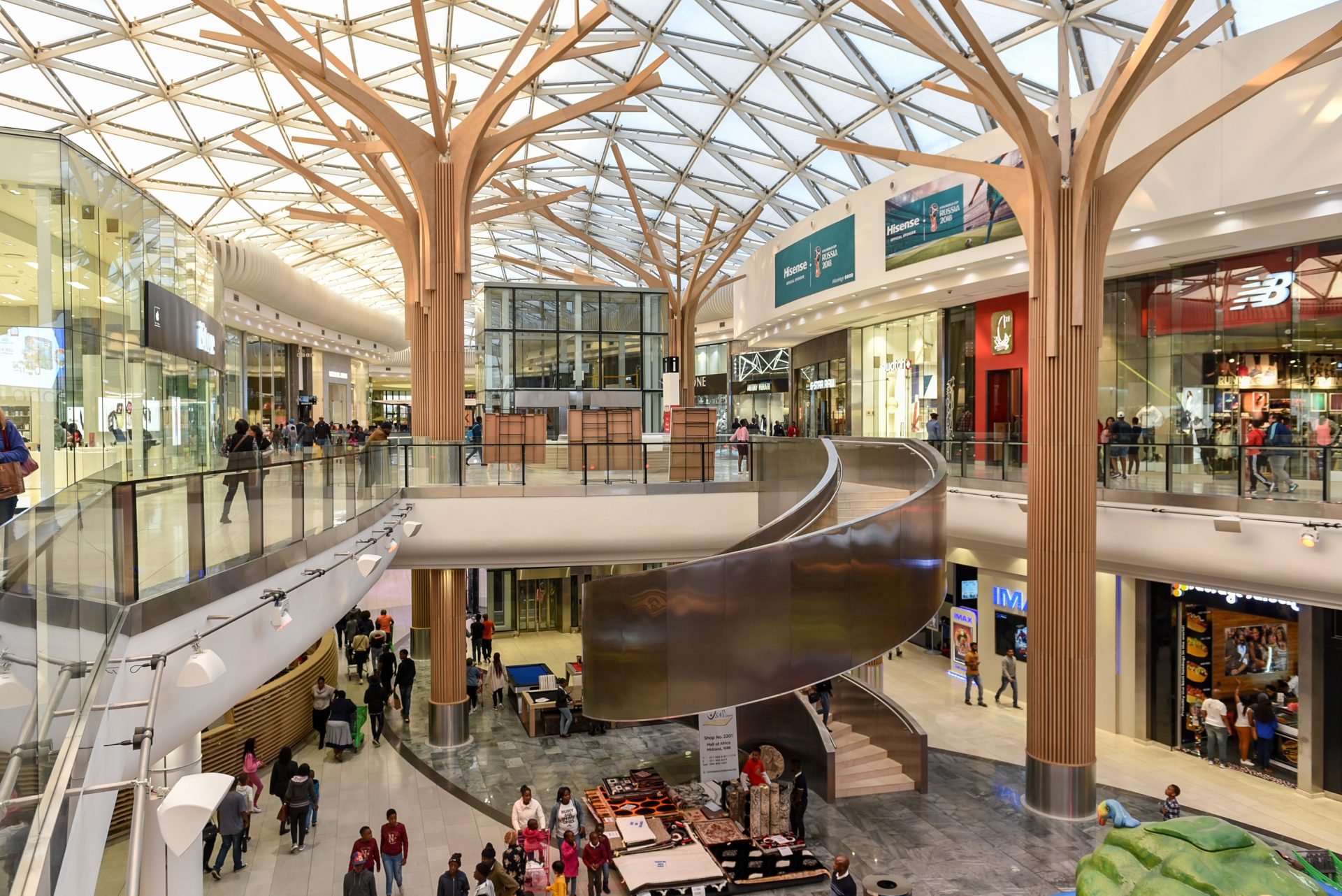
Emerging technologies, a booming population and fast-developing economies are changing Africa’s retail landscape. This article was first published in 2019; we’ve dated the key figures and updated facts that have since changed.
요약하자면: African retail is being shaped by rapid urbanization, the world’s youngest population, a growing middle class, a shift from informal to formal retail, the AfCFTA free trade area, new subsea internet cables and a mobile-first, increasingly online consumer.

이미지 크레디트: Shutterstock
Demographics and urbanization
아프리카는 가장 빠른 도시화 속도 세상에. 인구의 40% 이상이 현재 도심에 살고 있습니다. 2030년까지 아프리카에서 가장 큰 18개 도시는 $1.3조. 또한 아프리카는 다음과 같이 많은 도시 인구 100만 명의 북미.
또한 아프리카는 세계에서 가장 젊은 인구를 가진 대륙이 될 예정입니다. 약 70% 의 아프리카인은 현재 30세 미만입니다. 청소년은 인구의 약 20%를 차지합니다. 53퍼센트 아프리카 소득자의 16~34세입니다. 신제품에 대한 인식과 소비의욕이 높은 연령대입니다.
The rise of retail
인구 증가와 대도시는 소매업에 큰 기회를 제공합니다.
For instance, wholesale and retail were already the third largest contributor to Nigeria’s GDP when McKinsey studied the market. In 2019, 닐슨 reported 54% growth in the number of stores in Kenya over the previous five years, and South Africa had almost 2,000 shopping malls covering more than 24 million square meters. Johannesburg’s revitalized Maboneng neighborhood, with its restaurants, hotels and galleries, became a symbol of the city’s transformation.
Growing middle class
아프리카 인구는 약 13억으로 추정되며, 3억 5천만 중산층으로 간주됩니다. 현재 많은 비율이 15~24세에 속합니다. 이 연령대는 엔터테인먼트, 음식 및 기술과 같은 소비자 범주에 더 많이 소비합니다.

아프리카의 소비는 매년 계속 증가할 것으로 예상됩니다. ㅏ 딜로이트 소비자 리뷰 "많은 신흥 경제가 둔화되고 있는 시기에 아프리카는 아시아에 이어 두 번째로 빠르게 성장하는 경제 지역입니다."
The rise of brands
신흥 중산층 소비자는 점점 더 브랜드 의식을 갖게 됩니다. 소비자 지출은 여전히 노변 노점과 도시 시장의 비공식 부문에 집중되어 있습니다. 그러나 동아프리카에서는 이미 눈에 띄는 변화가 있습니다. 비공식에서 공식 소매로.
As retail moves from informal to formal, global players have expanded across the continent. Walmart bought a 51% 남아프리카 소매업체 지분 매스마트 in 2010 and took full ownership in 2022.
Carrefour has also set its sights on Africa. In 2018, it partnered with African e-commerce company 주미아 to sell Carrefour-branded products online.
아프리카인들은 현지 브랜드에 충성하는 경향이 있지만 소매 부문이 잘 알려진 현지 브랜드로 포화된 중국과 인도만큼 확고하지 않습니다. 브랜드 인지도는 아프리카 소비자들에게 매우 중요합니다. 종종 제품을 호출 비y 세탁 비누의 "Tide"와 같은 관련 브랜드 이름. 이는 국제 브랜드에 자본화할 수 있는 기회를 제공합니다.
Loyalty programs
로열티 프로그램이 핵심입니다. 에이티20 평균 남아프리카인이 하나가 아닌 9개의 로열티 프로그램에 가입되어 있다는 설문 조사를 완료했습니다. 소수의 아프리카 소비자 행동 연구를 통해 충성도 프로그램은 소매 제품 구색, 마케팅 및 일상 운영에 정보를 제공하기 위한 통찰력을 제공하는 추가적인 이점이 있습니다.
아프리카 개발 금지k는 다음과 같이 추정합니다. 2조 1000억 달러 2025년까지 소비자 지출이 증가할 것입니다. 식음료, 통신 및 은행과 같은 서비스 브랜드는 주의를 기울여야 합니다.
A spectacular rise in gross domestic product
Sub-Saharan Africa is home to several of the world’s fastest-growing economies; in 2019, Ethiopia topped the list with expected growth of 8.5%. Since the start of the millennium, sub-Saharan GDP has generally grown faster 세계 평균보다.

“About half of the world’s fastest-growing economies will be located on the continent, with 20 economies expanding at an average rate of 5% or higher over the next five years, faster than the 3.6% rate for the global economy,” wrote Brahima Coulibaly, then director of Brookings’ Africa Growth Initiative, in 2019.
The African Union launched the operational phase of the African Continental Free Trade Area (AfCFTA) in July 2019, and trading under the agreement began in January 2021. Covering a market of more than 1.3 billion people, AfCFTA is the 세계에서 가장 큰 자유무역지대 by number of member countries.
“국가들은 특히 젊은이들을 위한 수입 증가와 일자리 창출로 인해 다른 국가들과 더 많이 교역해야 한다는 사실을 깨닫고 있습니다. 아프리카 내 무역은 53.3%로 증가할 것으로 예상되며 이는 수익이 증가할 것임을 의미합니다.” – Vera Songwe, UN 아프리카 경제 위원회(ECA) 사무총장
Infrastructure and innovation
전통적으로 기반 시설의 부족은 신뢰할 수 있는 운송 및 은행 기관 및 기술에 대한 운송의 부족에서 심각한 문제를 제기했습니다. 아프리카의 기업가와 소매업체는 “도약" 전자 상거래 및 온라인 전자 상거래 플랫폼을 활용하여 소매의 전통적인 서구 모델.
주미아, founded in Nigeria in 2012 and listed on the New York Stock Exchange in 2019, is one of the continent’s best-known e-commerce marketplaces. It connects local and international brands directly with consumers across multiple African countries and runs its own payment platform.

B2B delivery network Sokowatch (renamed Wasoko in 2022) connects informal African retail stores with local and multinational suppliers like Procter & Gamble. Small shops can order through a mobile app or by SMS and have goods delivered quickly.
Sokowatch 설립자이자 CEO인 Daniel Yu는 "제조업체와 소규모 상점 모두에서 우리는 이전에는 유통업체, 하위 유통업체, 도매업체에 이르기까지 여러 계층의 중간 상인이 있었던 이들 사이의 연결 레이어가 되고 있습니다."라고 말했습니다. 테크크런치. “지금 바로 상품 소싱 비용… 우리는 이 가게 주인들을 위해 그 비용을 약 20% 절감할 것으로 추정합니다.”
Infrastructure development
그러나 인프라 개발은 빠르게 증가하고 있습니다. 그만큼 랩셋 코리도 프로그램 케냐, 에티오피아, 남수단을 하나로 묶습니다. 새로운 심해 항구, 파이프라인, 고속도로 및 휴양 도시에 대한 계획이 있습니다.
Big tech is investing too. Google has built the Equiano undersea cable, which links Portugal with western and southern Africa, with landings in countries including Nigeria, Namibia and South Africa.

Meta and its telecom partners have also built 2Africa, one of the world’s longest subsea cable systems, which circles the continent with numerous landing points.
China has been a main driver of African infrastructure development. In 2019, 딜로이트 estimated that Chinese firms built one in three African infrastructure projects and financed one in five.
모바일 기술
The GSMA, the global mobile industry association, reported that three-quarters of the population of Sub-Saharan Africa, or 747 million people, had a SIM connection in 2018, and projected that Africa’s mobile economy would generate $1500억 in economic value by 2022. Cell phones are 삶의 중심 in Africa; in 2018, Trendwatching reported that 96% of web traffic came from mobile. Brands that want to engage African consumers need to be mobile first.
Two factors drive mobile use in Africa: infrastructure and population age. Where services are lacking, mobile phones take the place of things like landlines and ATMs. And with Africa’s young, tech-embracing population, mobile use keeps growing.
아프리카 모바일 사용자는 앱에 매우 익숙합니다. 처럼 딜로이트 "소비자들은 '데이터 독점' 세계를 수용했으며 63%는 문자 메시지를 사용하지만 남아프리카 휴대전화 사용자는 문자 메시지 및 음성 통화보다 인스턴트 메시징(82%) 및 소셜 네트워크(74%)를 통해 통신하는 것을 선호합니다."
또 다른 딜로이트 설문조사 found that one in five respondents had bought products or services with their mobile phone. According to PayPal and Ipsos, online spending in South Africa alone was expected to reach R53 billion in 2018. And consumers from Nigeria, South Africa and Kenya made up almost half of Africa’s estimated 2100만 2017년 온라인 쇼핑객
E-commerce growth
2019년 여름, 5억 2500만 사용자는 아프리카에서 인터넷에 액세스했습니다. 낮은 인터넷 보급률에도 불구하고 아프리카는 라틴 아메리카 및 카리브해(4억 4,700만), 북미(3억 2,800만), 중동(1억 7,400만)보다 더 많은 인터넷 사용자를 자랑합니다.
모든 아프리카 국가에서 인터넷 보급률이 지속적으로 성장한 결과 새로운 전자 상거래 플랫폼과 온라인 소매업체의 출현에 영향을 미치고 있습니다. 에 대한 기사 IT 뉴스 아프리카, 아데쉬 키스텐, i-Pay의 영업 책임자가 언급했습니다.
“신용이 의심되는 경우가 많고 현금이 여전히 왕인 아프리카 시장에서 저비용 은행 제공업체는 대출이나 신용 시설을 멀리하는 경향이 있습니다. 기술은 전통적인 은행이 부담해야 하는 비용을 유지하는 방법으로 간주되어 수백만 명의 고객이 스마트 장치를 통해 온라인 뱅킹에 액세스할 수 있지만 온라인 쇼핑을 할 수 있는 방법이 없습니다. 인스턴트 EFT 솔루션은 '카드가 없는' 수백만 명의 사람들에게 전자 상거래의 세계를 열어 상인과 소비자 모두에게 흥미진진한 새로운 시장을 창출합니다.”

What’s next for retail in Africa
Africa is a market to watch, and it’s full of innovators. In 2018, Trendwatching reported that tech startups had grown by 40% between 2016 and 2018, and that 22% of the working-age population was starting new businesses. Rather than waiting on infrastructure, African entrepreneurs keep finding clever ways to get things done. Rapid urbanization, a young, tech-savvy population and improving infrastructure all point to continued growth and global influence.
Expanding across markets?
Bindy helps multi-location retailers keep standards consistent in every store and country with mobile-first checklists, tasks and communication in multiple languages. Plans start at $129/month with unlimited users and locations. 14일 동안 무료로 시작하세요, 신용카드는 필요하지 않습니다.




 KO
 EN
 AR
 NL
 FR
 DE
 EL
 HE
 HI
 IT
 JA
 PL
 PT
 ES
 SV
 TR
답글 남기기