
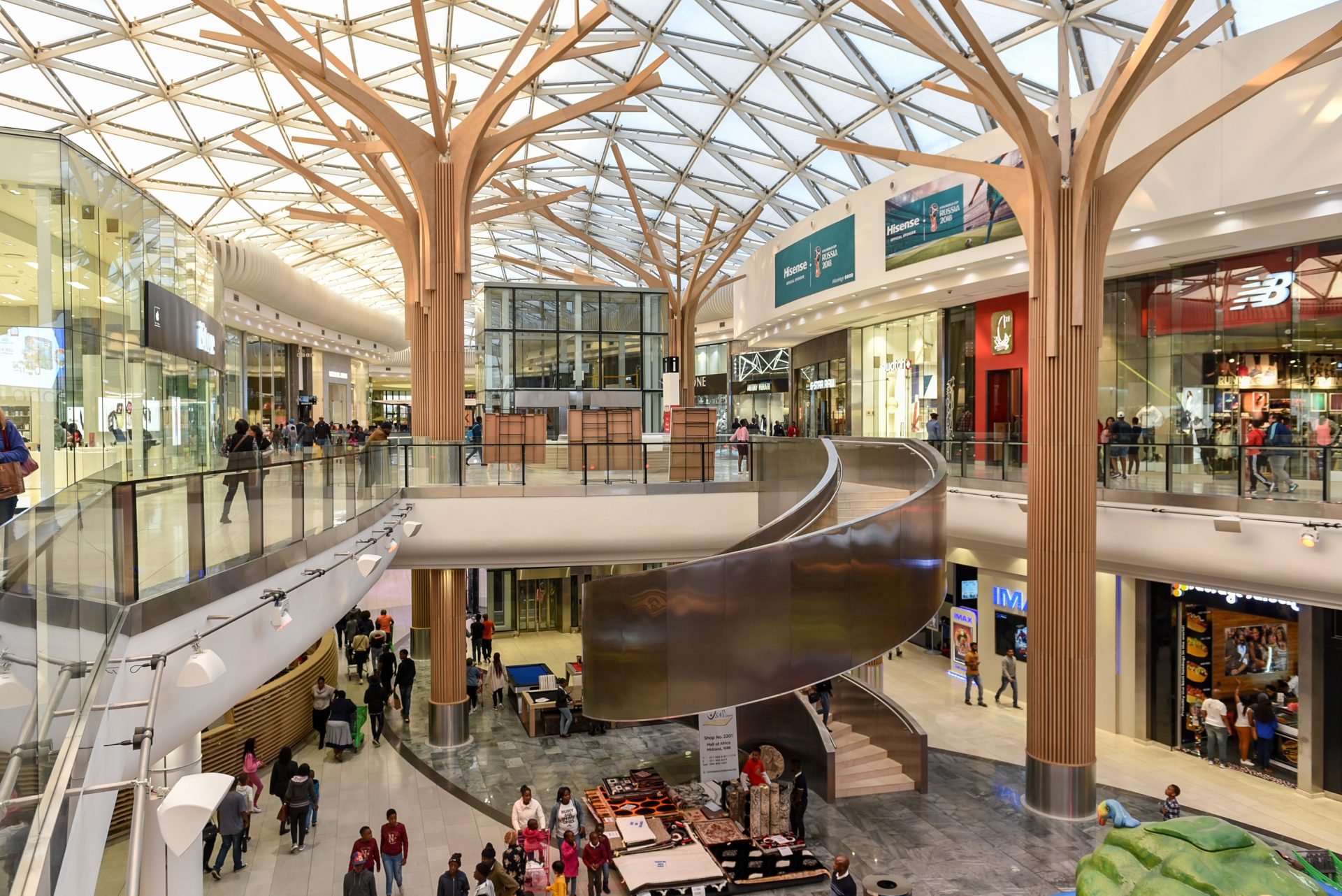
Emerging technologies, a booming population and fast-developing economies are changing Africa’s retail landscape. This article was first published in 2019; we’ve dated the key figures and updated facts that have since changed.
संक्षेप में: African retail is being shaped by rapid urbanization, the world’s youngest population, a growing middle class, a shift from informal to formal retail, the AfCFTA free trade area, new subsea internet cables and a mobile-first, increasingly online consumer.

छवि क्रेडिट: शटरस्टॉक
Demographics and urbanization
अफ्रीका के पास है शहरीकरण की सबसे तेज दर दुनिया में। इसकी आबादी का 40% से अधिक वर्तमान में शहरी केंद्रों में रह रहा है। 2030 तक, अफ्रीका के 18 सबसे बड़े शहरों में कुल खर्च करने की क्षमता होगी $1.3 ट्रिलियन. इसके अतिरिक्त, अफ्रीका के पास इस प्रकार है कई शहर उत्तरी अमेरिका के रूप में दस लाख निवासियों के साथ।
इसके अलावा, अफ्रीका दुनिया की सबसे कम उम्र की आबादी वाला महाद्वीप बनने की राह पर है। लगभग 70% वर्तमान में अफ्रीकियों की आयु 30 वर्ष से कम है। युवा आबादी का लगभग 20% है। तैंतालीस प्रतिशत अफ्रीकी आय अर्जित करने वालों की आयु 16 से 34 वर्ष के बीच है। यह एक आयु वर्ग है जो उनकी जागरूकता और नए उत्पादों का उपभोग करने की उत्सुकता के लिए जाना जाता है।
The rise of retail
बढ़ती आबादी और बड़े शहर रिटेल के लिए बड़े अवसरों में तब्दील हो जाते हैं।
For instance, wholesale and retail were already the third largest contributor to Nigeria’s GDP when McKinsey studied the market. In 2019, नीलसन reported 54% growth in the number of stores in Kenya over the previous five years, and South Africa had almost 2,000 shopping malls covering more than 24 million square meters. Johannesburg’s revitalized Maboneng neighborhood, with its restaurants, hotels and galleries, became a symbol of the city’s transformation.
Growing middle class
अफ़्रीका की जनसंख्या अनुमानित 1.3 अरब है 350 मिलियन मध्यम वर्ग माना जाता है। एक बड़ा हिस्सा वर्तमान में 15-24 वर्ष की आयु में आता है। यह आयु वर्ग मनोरंजन, भोजन और प्रौद्योगिकी जैसी उपभोक्ता श्रेणियों में अधिक खर्च करता है।

अफ्रीका में खपत साल दर साल बढ़ती रहने की उम्मीद है। ए डेलॉइट उपभोक्ता समीक्षा राज्यों ने कहा, "ऐसे समय में जब कई उभरती अर्थव्यवस्थाएं धीमी हो रही हैं, अफ्रीका एशिया के बाद दूसरा सबसे तेजी से बढ़ता आर्थिक क्षेत्र है।"
The rise of brands
उभरता हुआ मध्यवर्गीय उपभोक्ता तेजी से ब्रांड के प्रति जागरूक हो रहा है। उपभोक्ता खर्च अभी भी ज्यादातर सड़क किनारे स्टालों और शहर के बाजारों के अनौपचारिक क्षेत्र में केंद्रित है। हालाँकि, पूर्वी अफ्रीका में पहले से ही एक स्पष्ट बदलाव है औपचारिक खुदरा के लिए अनौपचारिक.
As retail moves from informal to formal, global players have expanded across the continent. Walmart bought a 51% दक्षिण अफ्रीकी खुदरा विक्रेता में हिस्सेदारी मासमार्ट in 2010 and took full ownership in 2022.
Carrefour has also set its sights on Africa. In 2018, it partnered with African e-commerce company Jumia to sell Carrefour-branded products online.
जबकि अफ्रीकियों को स्थानीय ब्रांडों के प्रति वफादार होना पड़ता है, यह प्रवृत्ति चीन और भारत की तरह नहीं है, जिसका खुदरा क्षेत्र प्रसिद्ध स्थानीय ब्रांडों द्वारा संतृप्त है। अफ्रीकी उपभोक्ताओं के लिए ब्रांड पहचान अत्यंत महत्वपूर्ण है, जो अक्सर उत्पादों को बुलाओ बीy एक संबद्ध ब्रांड नाम, जैसे कपड़े धोने के साबुन के लिए "टाइड"। यह अंतरराष्ट्रीय ब्रांडों को पूंजीकरण करने का अवसर देता है।
Loyalty programs
वफादारी कार्यक्रम प्रमुख हैं। अस्सी20 एक सर्वेक्षण पूरा किया जिसमें पाया गया कि औसत दक्षिण अफ़्रीकी एक नहीं, बल्कि नौ वफादारी कार्यक्रमों का सदस्य है। कुछ अफ्रीकी उपभोक्ता व्यवहार अध्ययनों के साथ, वफादारी कार्यक्रमों में खुदरा उत्पाद वर्गीकरण, विपणन और दैनिक संचालन को सूचित करने के लिए अंतर्दृष्टि प्रदान करने का अतिरिक्त लाभ होता है।
अफ्रीकी विकास बानोk अनुमान वहाँ होगा 2.1 ट्रिलियन अमरीकी डालर 2025 तक उपभोक्ता खर्च में वृद्धि होगी। खाद्य और पेय, दूरसंचार और बैंकिंग जैसे सेवा ब्रांडों को ध्यान देना चाहिए।
A spectacular rise in gross domestic product
Sub-Saharan Africa is home to several of the world’s fastest-growing economies; in 2019, Ethiopia topped the list with expected growth of 8.5%. Since the start of the millennium, sub-Saharan GDP has generally grown faster वैश्विक औसत की तुलना में।

“About half of the world’s fastest-growing economies will be located on the continent, with 20 economies expanding at an average rate of 5% or higher over the next five years, faster than the 3.6% rate for the global economy,” wrote Brahima Coulibaly, then director of Brookings’ Africa Growth Initiative, in 2019.
The African Union launched the operational phase of the African Continental Free Trade Area (AfCFTA) in July 2019, and trading under the agreement began in January 2021. Covering a market of more than 1.3 billion people, AfCFTA is the विश्व का सबसे बड़ा मुक्त व्यापार क्षेत्र by number of member countries.
"देश महसूस कर रहे हैं कि राजस्व और नौकरियों के सृजन में अपेक्षित वृद्धि के कारण उन्हें दूसरों के साथ अधिक व्यापार करने की आवश्यकता है, खासकर युवाओं के लिए। अंतर-अफ्रीकी व्यापार के 53.3% तक बढ़ने की उम्मीद है, जिसका अर्थ है कि राजस्व में वृद्धि होगी। - अफ्रीका के लिए संयुक्त राष्ट्र आर्थिक आयोग (ईसीए) के कार्यकारी सचिव वेरा सोंगवे
Infrastructure and innovation
परंपरागत रूप से बुनियादी ढांचे की कमी ने बैंकिंग संस्थानों और प्रौद्योगिकी के लिए विश्वसनीय शिपिंग और परिवहन की कमी से एक गंभीर चुनौती पेश की है। अफ्रीका के उद्यमी और खुदरा विक्रेता रचनात्मक तरीके लेकर आए हैं "मेंढक कूदई-कॉमर्स और ऑनलाइन ई-कॉमर्स प्लेटफॉर्म का लाभ उठाकर रिटेल के पारंपरिक पश्चिमी मॉडल।
Jumia, founded in Nigeria in 2012 and listed on the New York Stock Exchange in 2019, is one of the continent’s best-known e-commerce marketplaces. It connects local and international brands directly with consumers across multiple African countries and runs its own payment platform.

B2B delivery network Sokowatch (renamed Wasoko in 2022) connects informal African retail stores with local and multinational suppliers like Procter & Gamble. Small shops can order through a mobile app or by SMS and have goods delivered quickly.
सोकोवाच के संस्थापक और सीईओ डैनियल यू ने कहा, "निर्माताओं और छोटी दुकानों दोनों के साथ, हम उनके बीच संयोजी परत बन रहे हैं, जहां पहले आपके पास वितरकों, उप-वितरक, थोक विक्रेताओं से लेकर मध्यम-पुरुषों की कई परतें थीं।" टेकक्रंच। "अभी माल की सोर्सिंग की लागत ... हमारा अनुमान है कि हम इन दुकानदारों के लिए उस लागत में लगभग 20 प्रतिशत [के लिए] कटौती कर रहे हैं।"
Infrastructure development
हालांकि, बुनियादी ढांचे का विकास तेजी से बढ़ रहा है। लैपसेट कॉरिडोर कार्यक्रम केन्या, इथियोपिया और दक्षिण सूडान को एक साथ लाता है। एक नए गहरे पानी के बंदरगाह, पाइपलाइन, राजमार्ग और रिसॉर्ट शहरों की योजना है।
Big tech is investing too. Google has built the Equiano undersea cable, which links Portugal with western and southern Africa, with landings in countries including Nigeria, Namibia and South Africa.

Meta and its telecom partners have also built 2Africa, one of the world’s longest subsea cable systems, which circles the continent with numerous landing points.
China has been a main driver of African infrastructure development. In 2019, डेलॉयट estimated that Chinese firms built one in three African infrastructure projects and financed one in five.
मोबाइल तकनीक
The GSMA, the global mobile industry association, reported that three-quarters of the population of Sub-Saharan Africa, or 747 million people, had a SIM connection in 2018, and projected that Africa’s mobile economy would generate $150 अरब in economic value by 2022. Cell phones are जीवन के लिए केंद्रीय in Africa; in 2018, Trendwatching reported that 96% of web traffic came from mobile. Brands that want to engage African consumers need to be mobile first.
Two factors drive mobile use in Africa: infrastructure and population age. Where services are lacking, mobile phones take the place of things like landlines and ATMs. And with Africa’s young, tech-embracing population, mobile use keeps growing.
अफ्रीकी मोबाइल उपयोगकर्ता ऐप्स के साथ बहुत सहज हैं। जैसा डेलॉयट अवलोकन करता है, "उपभोक्ताओं ने 'डेटा अनन्य' दुनिया को अपनाया है और जबकि 63% टेक्स्ट संदेशों का उपयोग करते हैं, दक्षिण अफ्रीकी मोबाइल फोन उपयोगकर्ता टेक्स्ट मैसेजिंग और वॉयस कॉल के बजाय इंस्टेंट मैसेजिंग (82%) और सोशल नेटवर्क (74%) के माध्यम से संवाद करना पसंद करते हैं।"
दूसरा डेलॉइट सर्वेक्षण found that one in five respondents had bought products or services with their mobile phone. According to PayPal and Ipsos, online spending in South Africa alone was expected to reach R53 billion in 2018. And consumers from Nigeria, South Africa and Kenya made up almost half of Africa’s estimated 21 मिलियन 2017 में ऑनलाइन खरीदार।
E-commerce growth
2019 की गर्मियों में, 525 मिलियन उपयोगकर्ताओं ने अफ्रीका में इंटरनेट का उपयोग किया। कम इंटरनेट प्रवेश दर के साथ भी, अफ्रीका लैटिन अमेरिका और कैरिबियन (447 मिलियन), उत्तरी अमेरिका (328 मिलियन) और मध्य पूर्व (174 मिलियन) की तुलना में अधिक इंटरनेट उपयोगकर्ताओं का दावा करता है।
सभी अफ्रीकी देशों में इंटरनेट की पहुंच में निरंतर वृद्धि का परिणाम नए ई-कॉमर्स प्लेटफॉर्म और ऑनलाइन खुदरा विक्रेताओं के उद्भव को प्रभावित कर रहा है। के लिए एक लेख आईटी समाचार अफ्रीका, आदेश किस्टेन, आई-पे के बिक्री प्रमुख ने नोट किया;
"अफ्रीकी बाजारों में जहां क्रेडिट को अक्सर संदेह के साथ माना जाता है और नकदी अभी भी राजा है, कम लागत वाले बैंकिंग प्रदाता उधार या क्रेडिट सुविधाओं से दूर रहते हैं। प्रौद्योगिकी को उन लागतों को बनाए रखने के तरीके के रूप में देखा जाता है, जिन्हें पारंपरिक बैंकों को नियंत्रण में रखना पड़ता है - जिसके परिणामस्वरूप लाखों ग्राहकों को स्मार्ट उपकरणों के माध्यम से ऑनलाइन बैंकिंग तक पहुंच प्राप्त होती है, लेकिन ऑनलाइन खरीदारी करने का कोई तरीका नहीं होता है। इंस्टेंट ईएफ़टी समाधान ई-कॉमर्स की दुनिया को उन 'अनकार्डेड' लाखों लोगों के लिए खोलते हैं, जो व्यापारियों और उपभोक्ताओं के लिए समान रूप से रोमांचक नए बाज़ार बनाते हैं।"

What’s next for retail in Africa
Africa is a market to watch, and it’s full of innovators. In 2018, Trendwatching reported that tech startups had grown by 40% between 2016 and 2018, and that 22% of the working-age population was starting new businesses. Rather than waiting on infrastructure, African entrepreneurs keep finding clever ways to get things done. Rapid urbanization, a young, tech-savvy population and improving infrastructure all point to continued growth and global influence.
Expanding across markets?
Bindy helps multi-location retailers keep standards consistent in every store and country with mobile-first checklists, tasks and communication in multiple languages. Plans start at $129/month with unlimited users and locations. 14 दिनों के लिए निःशुल्क शुरुआत करें, क्रेडिट कार्ड की आवश्यकता नहीं है।




 HI
 EN
 AR
 NL
 FR
 DE
 EL
 HE
 IT
 JA
 KO
 PL
 PT
 ES
 SV
 TR
प्रातिक्रिया दे