
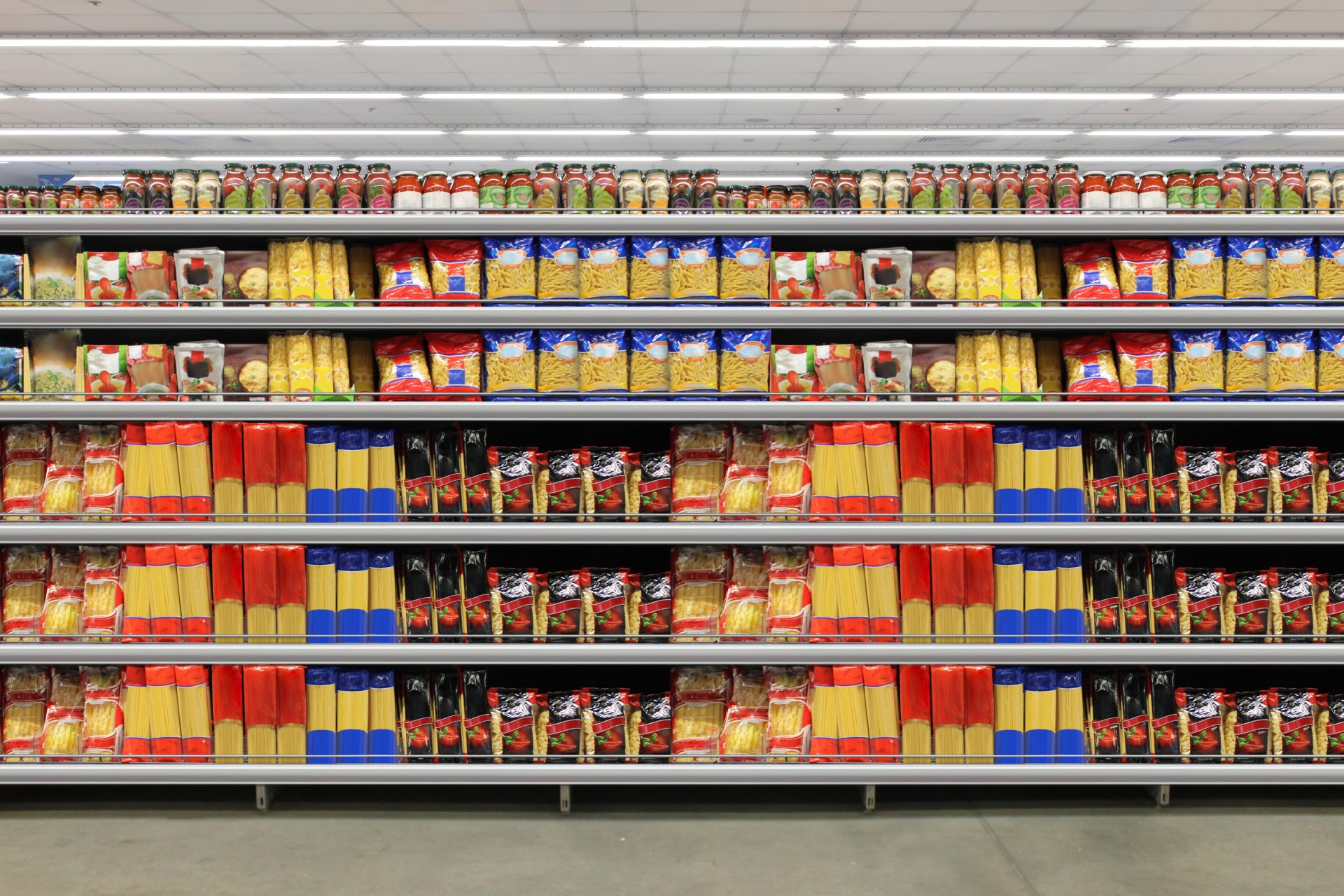
요약하자면: To keep your brand consistent across retailers you don’t control, define your brand’s core clearly, adapt how it’s executed for each retail banner and its shoppers, reinforce your image nationally, give stores clear guidelines and tools, and then measure: compare sales by retailer and run store audits with photos to confirm the brand experience is the same everywhere.
Branding should be a priority for every CPG. A compelling brand attracts great people, builds loyalty and increases sales.
Delivering a strong brand experience is relatively easy when you call the shots, in your own store or on your own website. It’s a different story when you sell through many retail banners. In stores you don’t control, products can be displayed incorrectly or associates may not explain what your brand is about, so shoppers don’t experience your brand the way you intended.
Here are five steps to keep the brand experience consistent wherever and however people shop.
Step 1: Be very clear about the core of your brand
A consistent in-store experience starts before products hit the shelf. First, define what your brand stands for, its core “essence.” Only then can you design the right experience. As Aaron Chio, then senior manager at Clarkston Consulting, put it: “It always starts with defining what your brand stands for and staying true to that vision across different outlets.”
This has to come from the top. Leadership should answer: What makes us unique? What emotions do we evoke? What is our mission? Document the answers and share them so everyone, from executives to customer service and field reps, can apply them to products, pricing, marketing and service.
Tommy Hilfiger is a classic example. It sells online, in its own stores, in department stores and through off-price retailers, yet its image of classic, preppy Americana stays consistent across products and campaigns, so shoppers perceive the brand the same way in every channel.
Step 2: Figure out how to execute your brand in each retailer
Next, work out how your brand comes to life in each banner. The core message stays the same, but execution varies from retailer to retailer. According to Chio, brand management defines the brand’s “true north,” while customer teams decide how it shows up at each account, whether that’s Walmart, Target or a regional chain.
That also means understanding each retailer and its shoppers. “The key to a consistent brand is in knowing to whom you’re speaking and then crafting a voice and in-store execution that will appeal to them,” said Cassandra Rosen, co-founder of wine, spirits and CPG agency FK Interactive.
“Ask yourself, ‘Who is the customer I’m trying to reach, and why would they choose to purchase my product?’ What tips or educational information (in our case, recipes) can you share with them, either through social media, neckers and hangtags at the point of sale, or shelf talkers that would inspire or motivate them to purchase my brand?” – Cassandra Rosen
Step 3: Reinforce your brand image nationally
Shoppers form opinions about your brand long before they walk into a store, through ads, social media, reviews, creators and, increasingly, AI assistants. Reinforce your brand consistently across all of these channels so people arrive with the right expectations.
Macy’s offers a retailer-side example. When it centralized its regional buying offices, it also consolidated marketing, enabling national media buys and campaigns like its holiday “Believe” campaign. “We can be consistent for the customer on returns, key advertised events, and product availability when needed. Even our training programs on customer service for store associates are developed and implemented nationally,” then-Macy’s executive Steve Nevill told the NRF.
Step 4: Work with stores to make sure programs are executed correctly
At store level, execution will vary by retailer, but your guidelines shouldn’t. Document clear, easy-to-follow instructions for every program, with photos of what “right” looks like, and share them with retailers as clearly as possible.
Keep communication open so you can share data, timelines, schedules and KPIs, and agree on layouts and planograms together. And give the people doing the work (merchandisers, store managers and associates) the right tools: tasks, calendars, checklists and anything else they need to execute.
Step 5: Evaluate and take action
Don’t launch a program and walk away. Track sales by retailer: which banners are performing, and which are lagging? According to Chio, brands use POS and category data to answer questions like “how is Safeway doing compared to Kroger?… What are the areas for improvement?”
Sales data tells you 무엇 is happening; 소매 감사 tell you 왜. Send people into stores to check whether programs are executed correctly and the brand experience matches across locations. Make sure auditors understand your brand, and document visits thoroughly: go beyond checkboxes, take photos and talk to associates.

마지막 단어
A cohesive brand across retail banners comes from clarity at the top, smart adaptation for each retailer, and disciplined follow-through in stores. Get those right and shoppers will recognize, and trust, your brand wherever they find it.
See your brand in every store, not just the ones you visit
Bindy helps CPG brands share guidelines with retailers and field teams, assign tasks, and collect photo proof and audit results across banners, with 28 built-in reports to compare performance. Plans start at $129/month with unlimited users and locations. 14일 동안 무료로 시작하세요, 신용카드는 필요하지 않습니다.
저자 소개:

프란체스카 니카시오 그녀는 소매업 전문가이자 B2B 콘텐츠 전략가이며 링크드인 탑 보이스(Top Voice)입니다. 그녀는 소매업체가 매출을 늘리고 고객에게 더 나은 서비스를 제공하는 데 도움이 되는 트렌드, 팁 및 모범 사례에 대해 글을 씁니다.



 KO
 EN
 AR
 NL
 FR
 DE
 EL
 HE
 HI
 IT
 JA
 PL
 PT
 ES
 SV
 TR
답글 남기기